
With WeBookGuides, DiscoverPremium Fishing Trips
Discover world-class fishing trips with expert local guides. Easy to book.
Unforgettable to experience.
Trips Guests Can't Stop Talking About
Explore some of our most-booked and highest-rated trips. Picked by guests, perfected by guides.
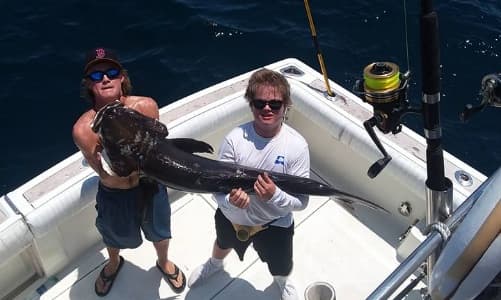
Amazing Places to Fish.
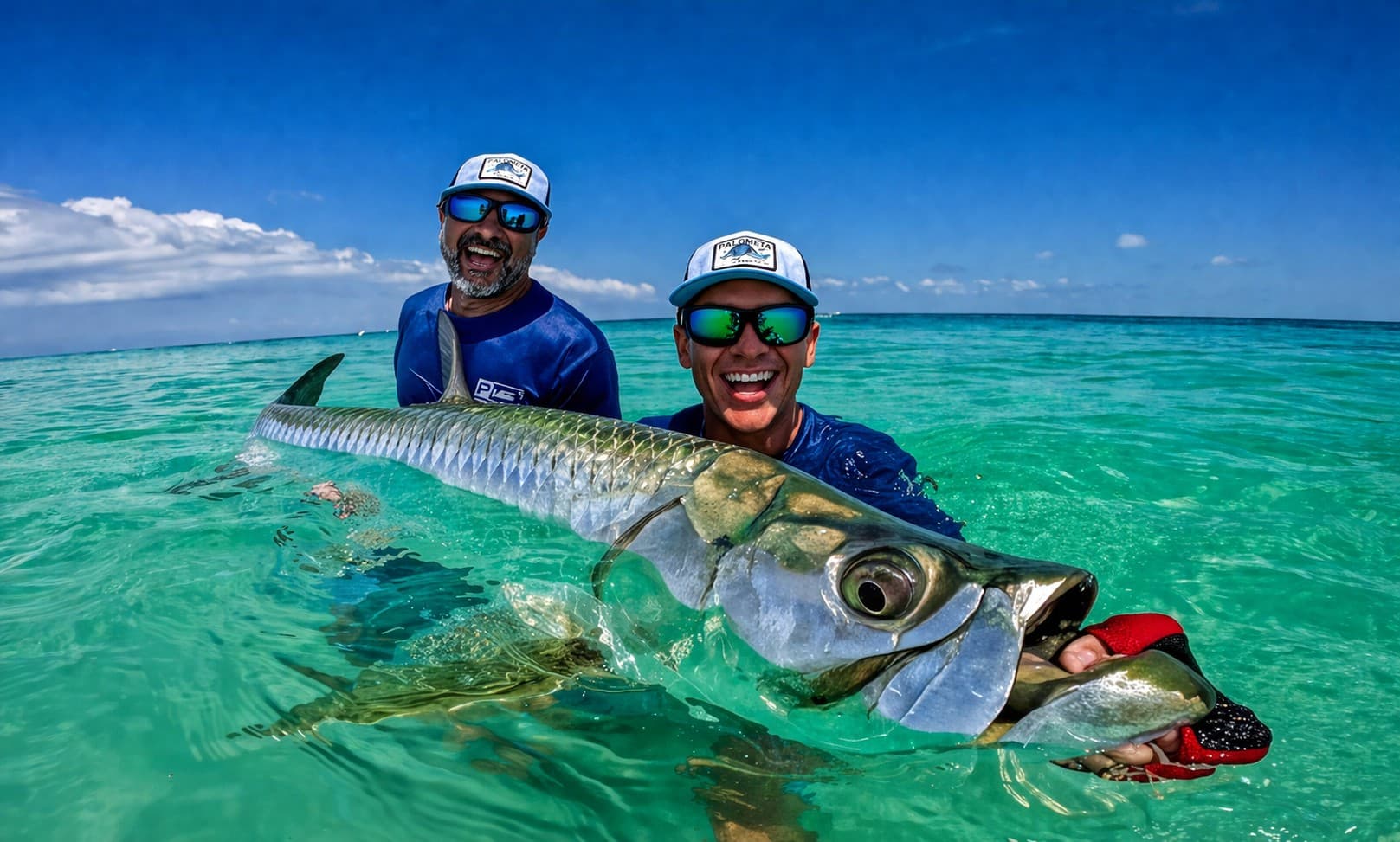
From the Florida Keys to Costa Rica to Alaska — our destinations are curated for adventure, relaxation, and legendary catches. Choose your next location and go.
Booking Is as Easy as Casting a Line

Search & Select
Use filters to find the perfect trip

Book Online
Secure payment, instant confirmation

Show Up & Fish
Your guide handles the rest
Top Fishing StylesTop Fishing Techniques
However You Fish, We've Got You Covered
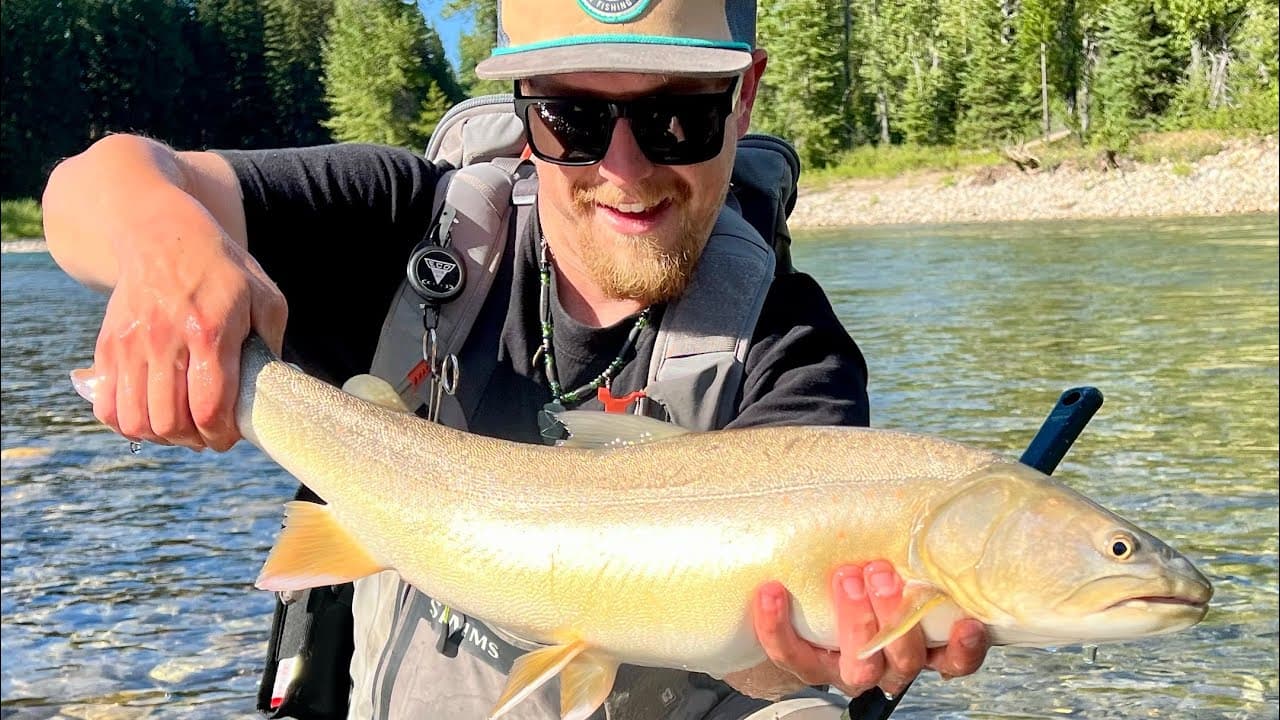
Backcountry Fishing
Backcountry fishing is a technique that focuses on reaching remote and less disturbed waters such as hidden lakes, slow-moving streams, and shallow marsh areas where fish are less pressured by heavy human activity, offering anglers a more natural and peaceful fishing experience, where success often depends on patience, light tackle, and a strong understanding of local water conditions and fish behavior. This method is especially popular among those who enjoy exploring off-the-beaten-path locations, as it often requires hiking, kayaking, or traveling through rugged terrain to access productive fishing spots. Anglers using this approach typically rely on stealth, natural bait presentation, and careful observation of the environment, including water movement, vegetation, and insect activity, to locate fish effectively. Backcountry fishing not only provides excellent opportunities for catching species in their natural habitat but also delivers a deeper connection with nature, making it both a skill-based and highly rewarding outdoor experience.
Explore Trips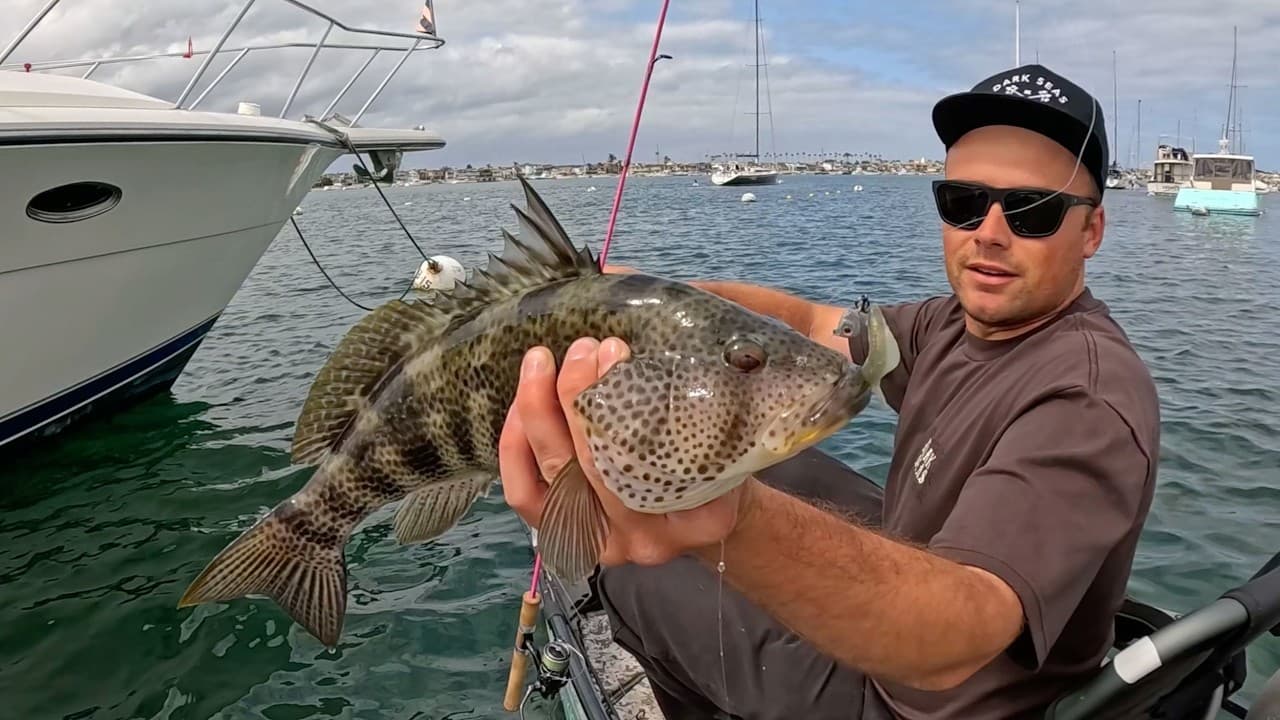
Bay Fishing
Bottom Fishing
Drift Fishing
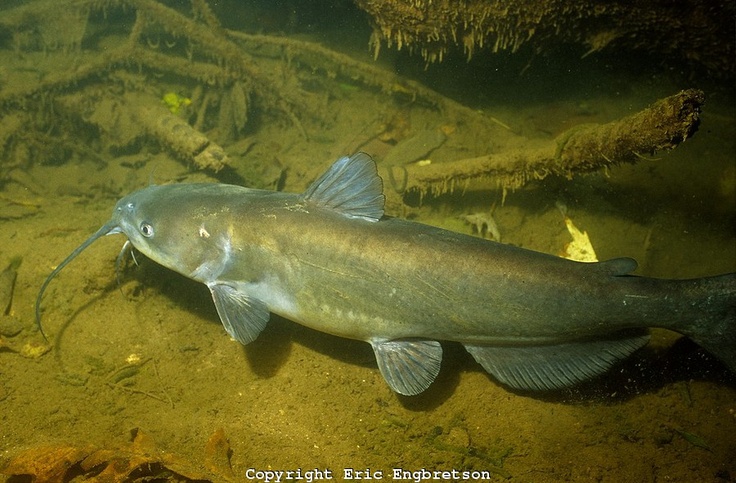
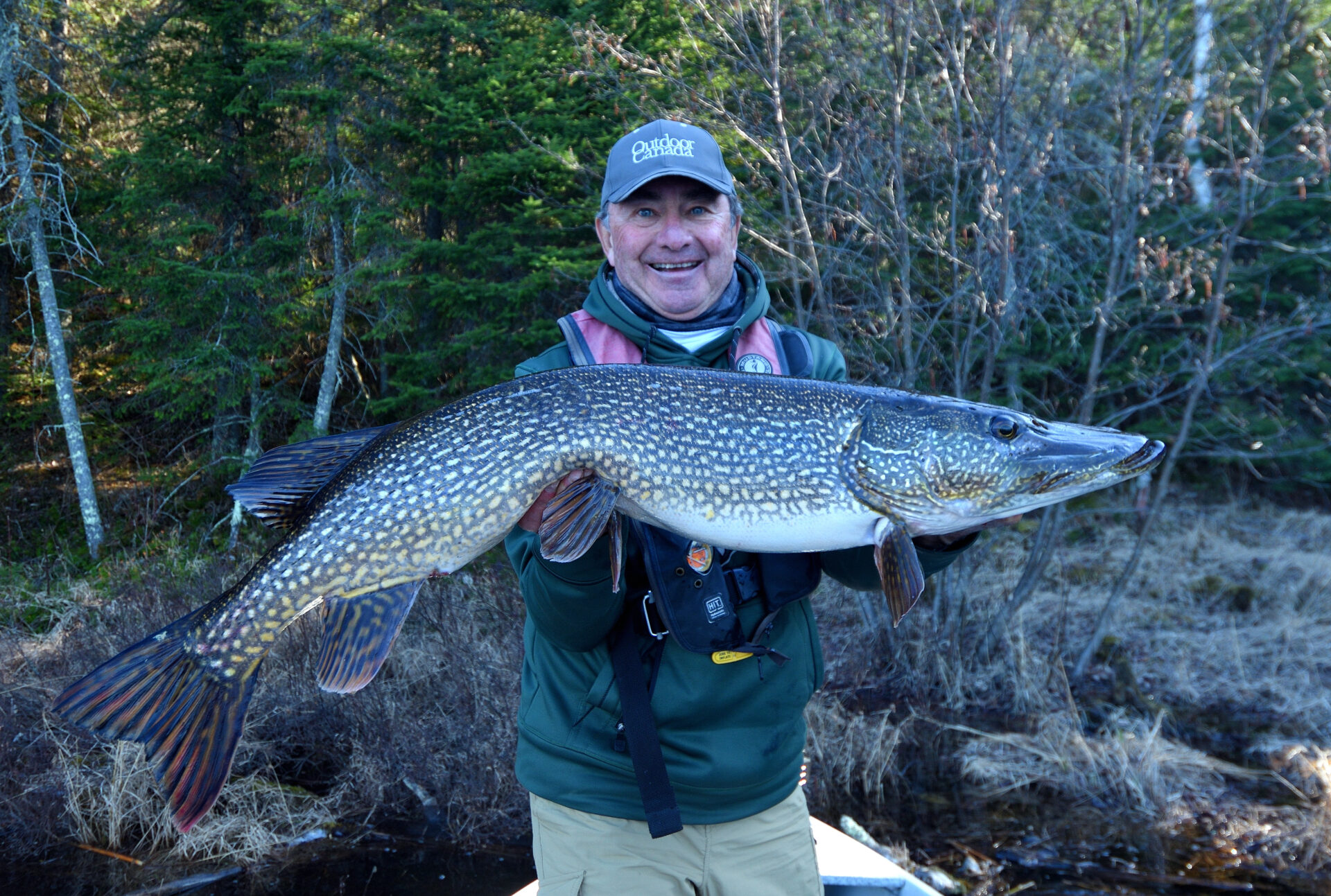
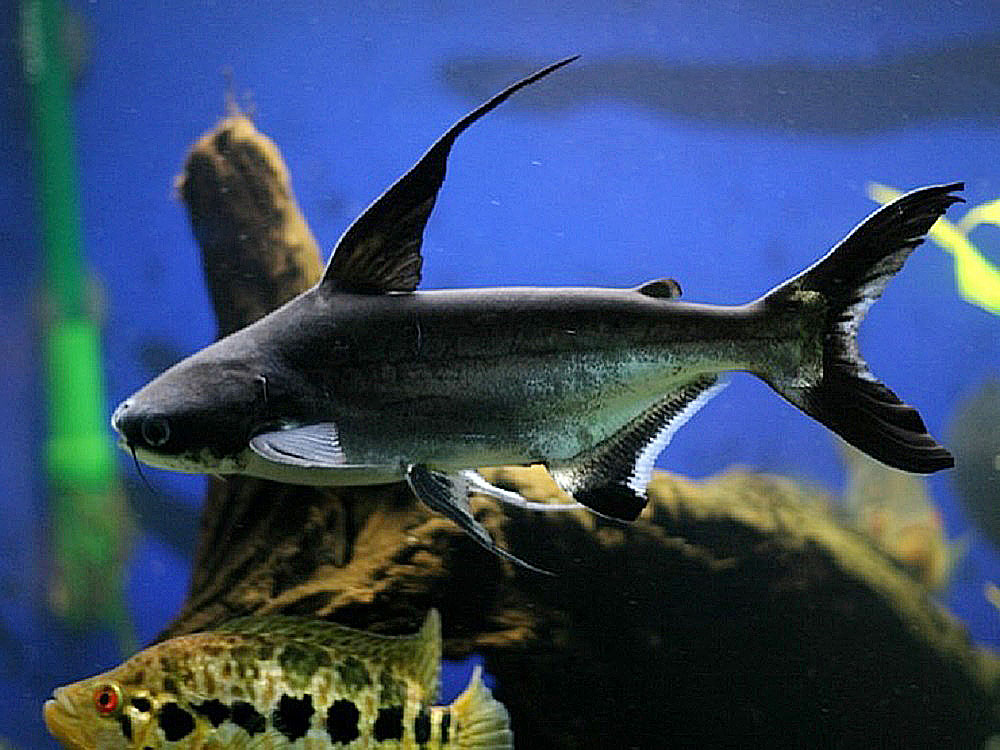
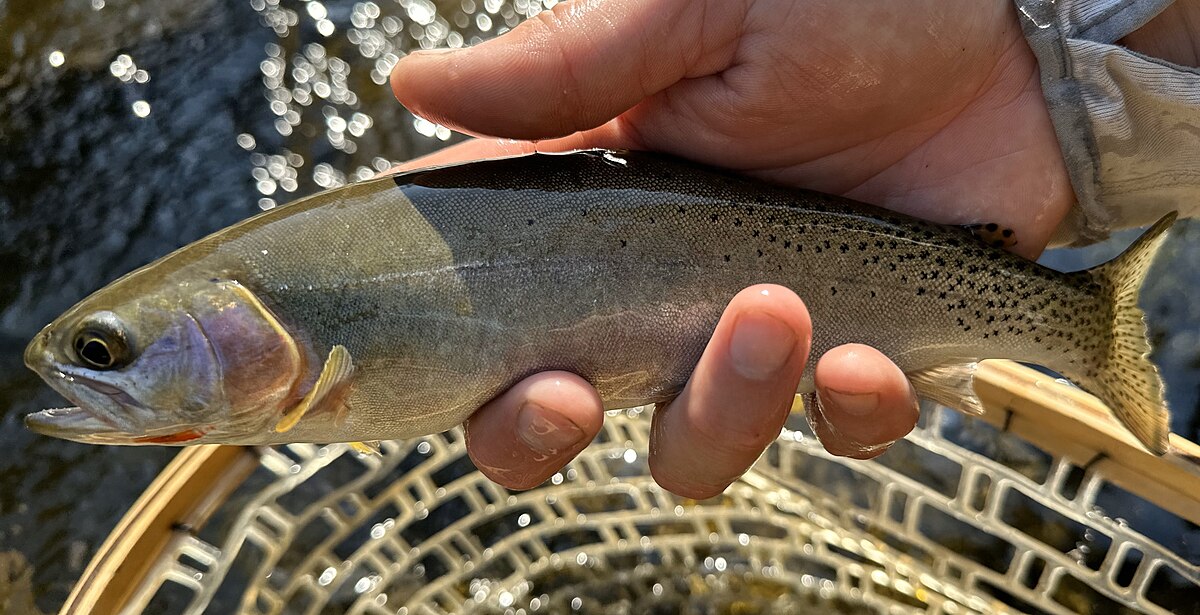
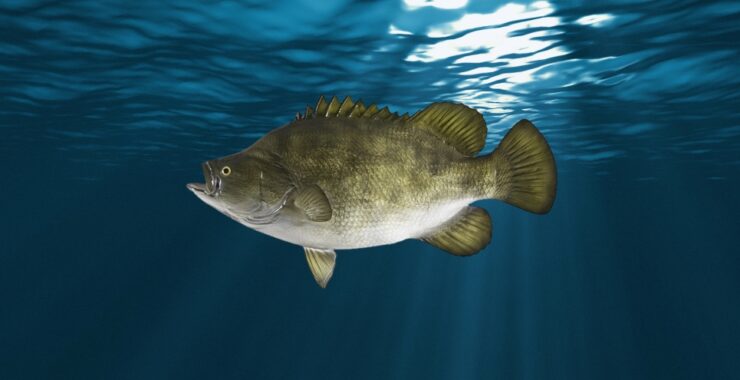
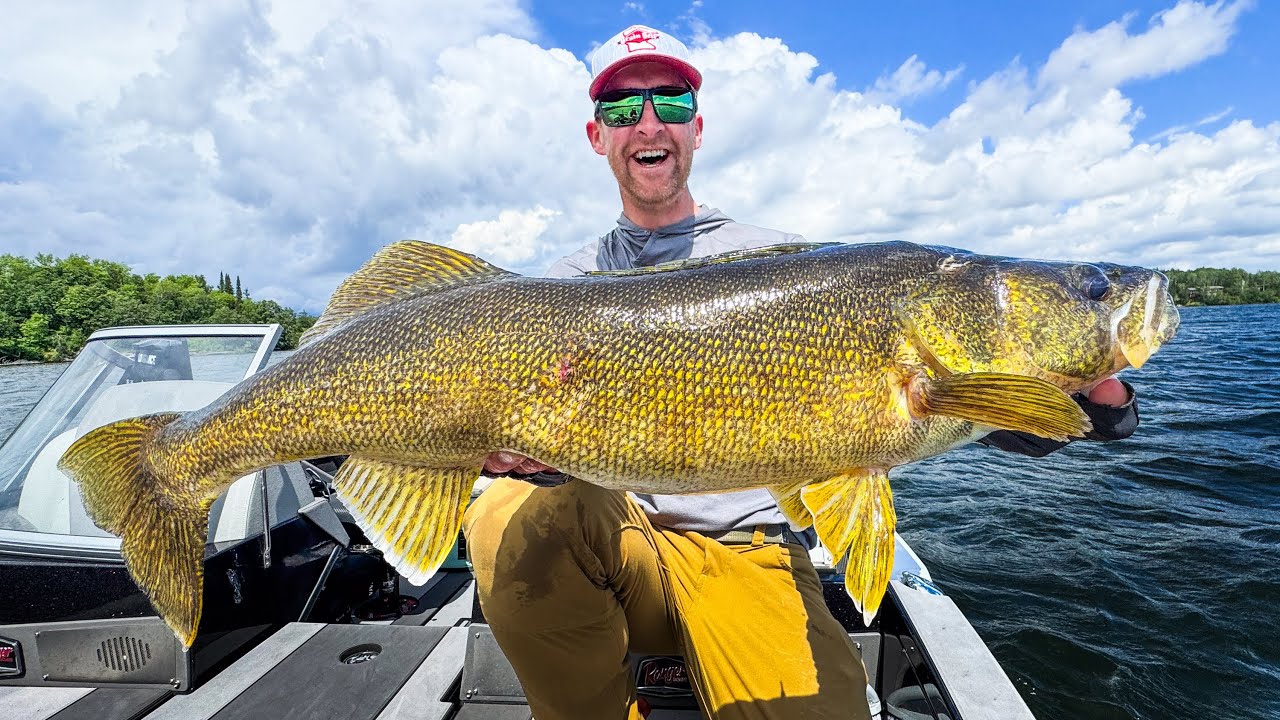
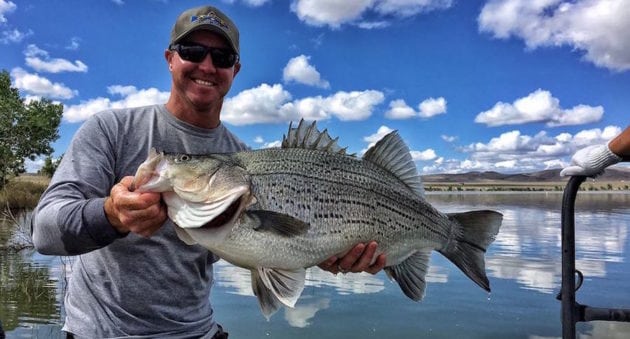
Target Species
Whether you're a pro or just starting out, our guides match your style.
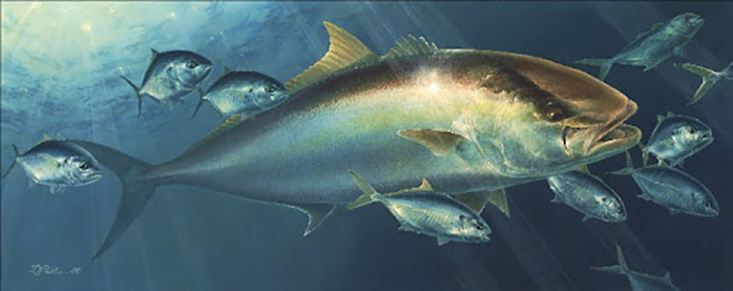
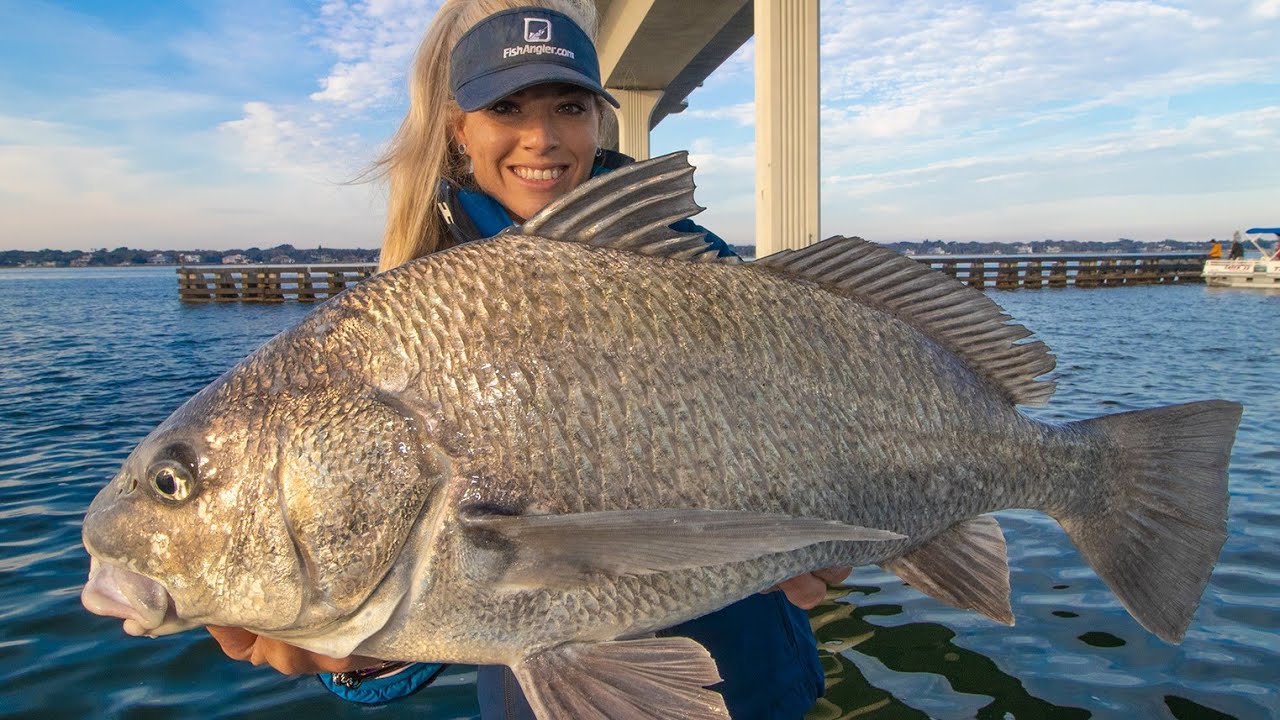
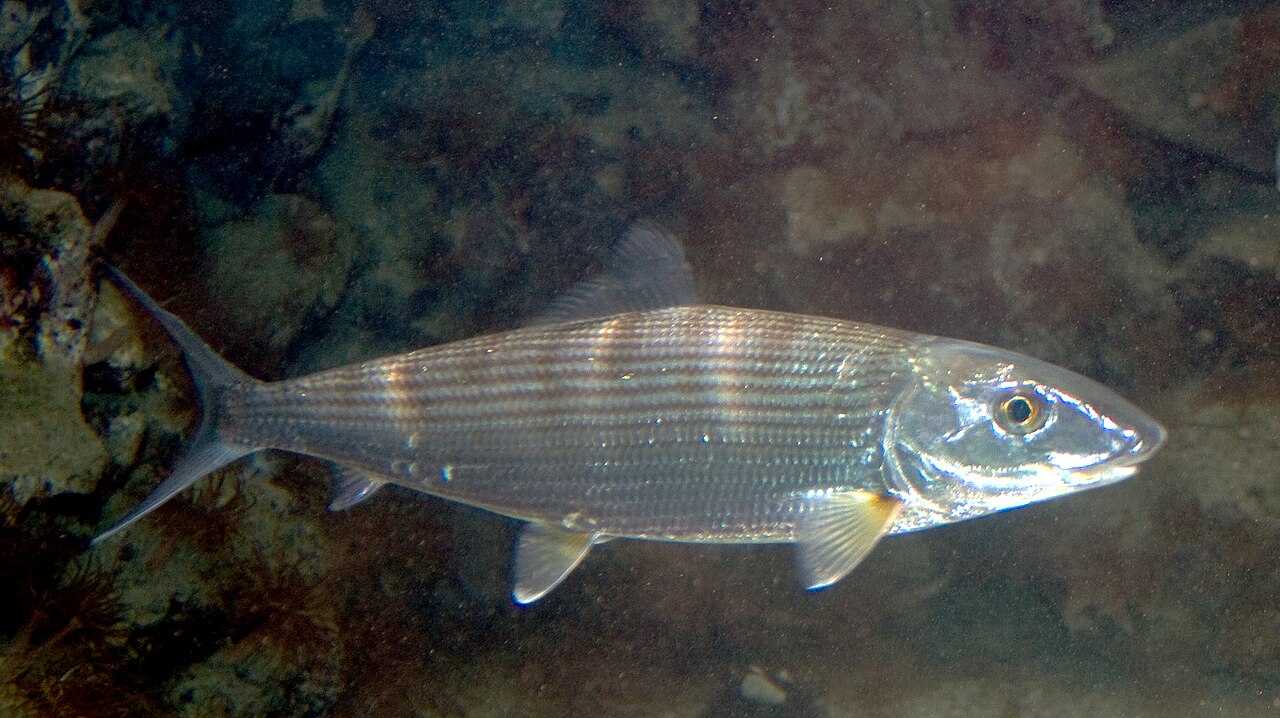
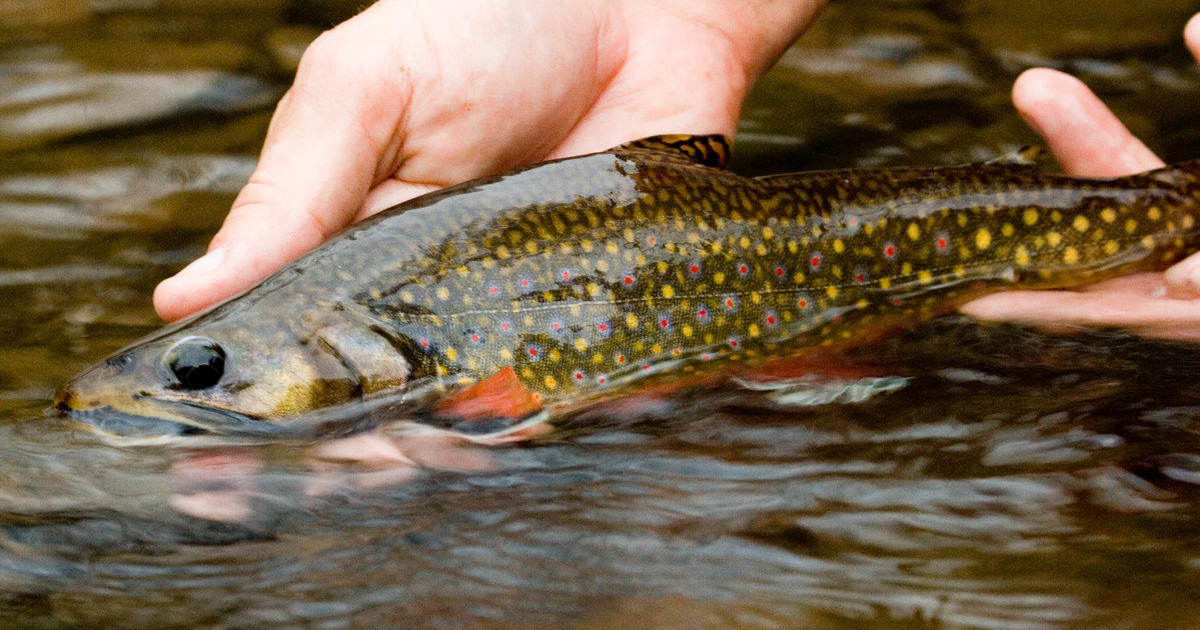
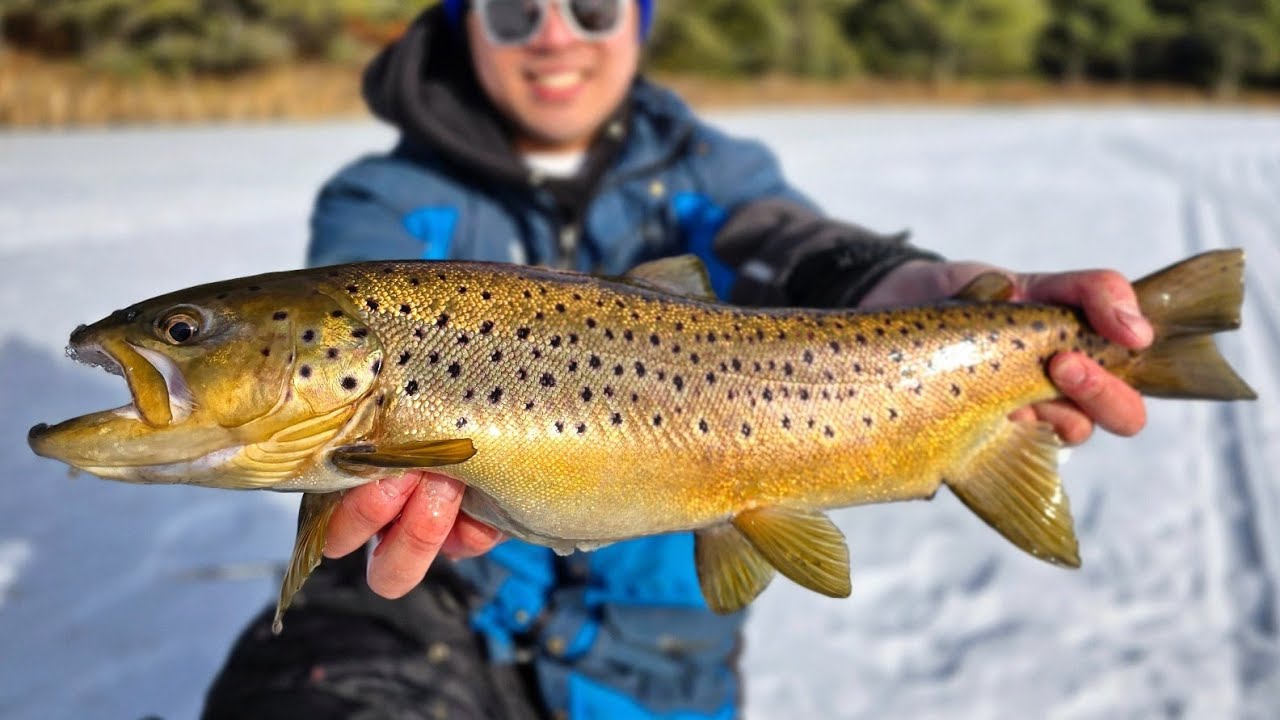
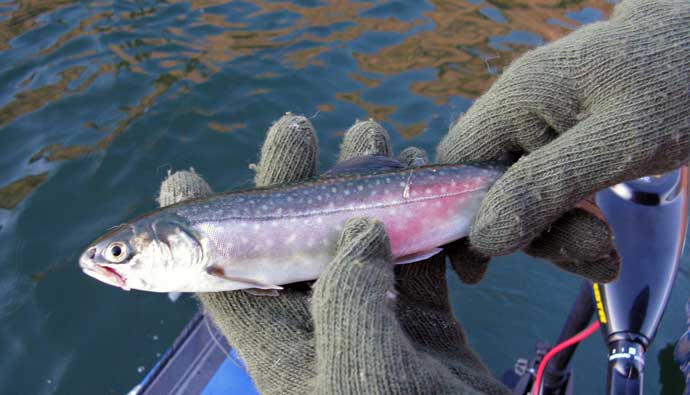
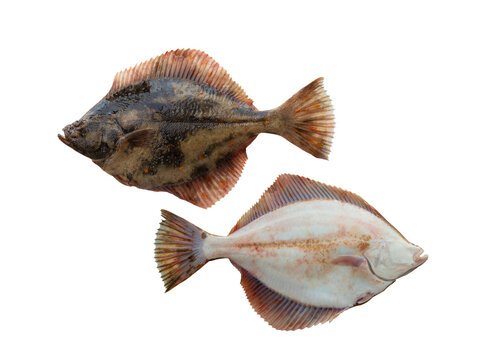
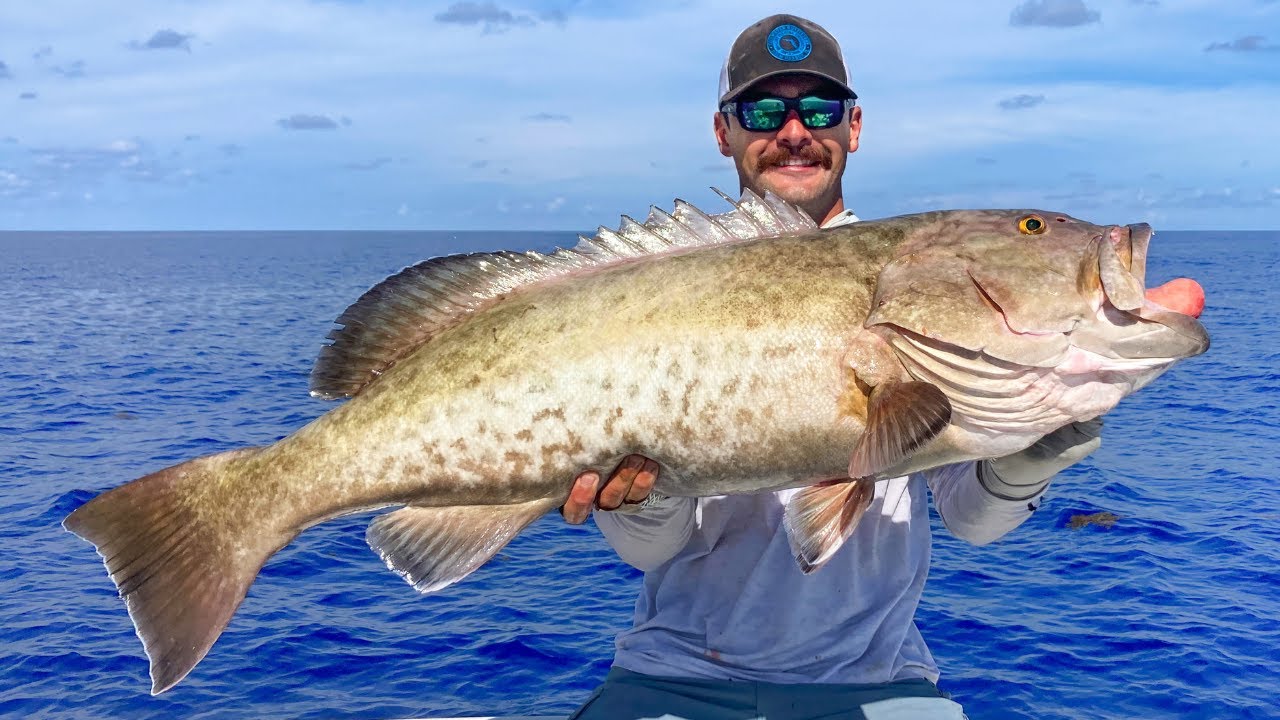
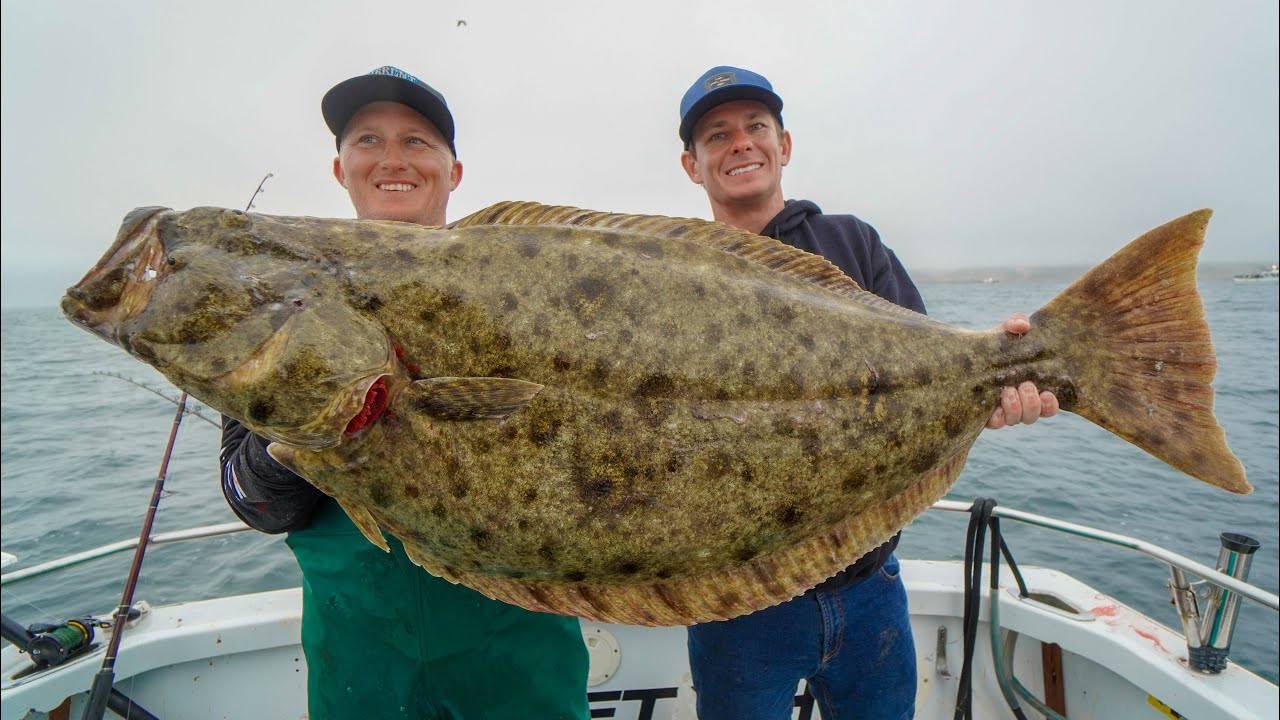
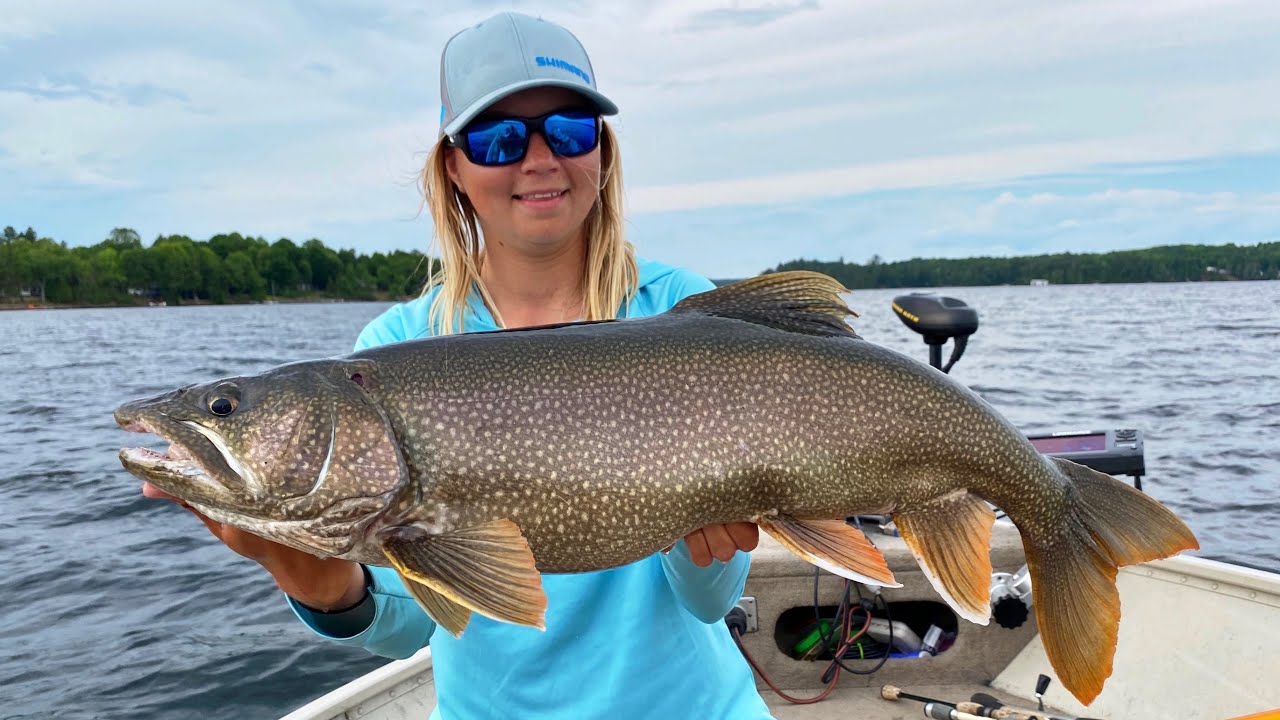
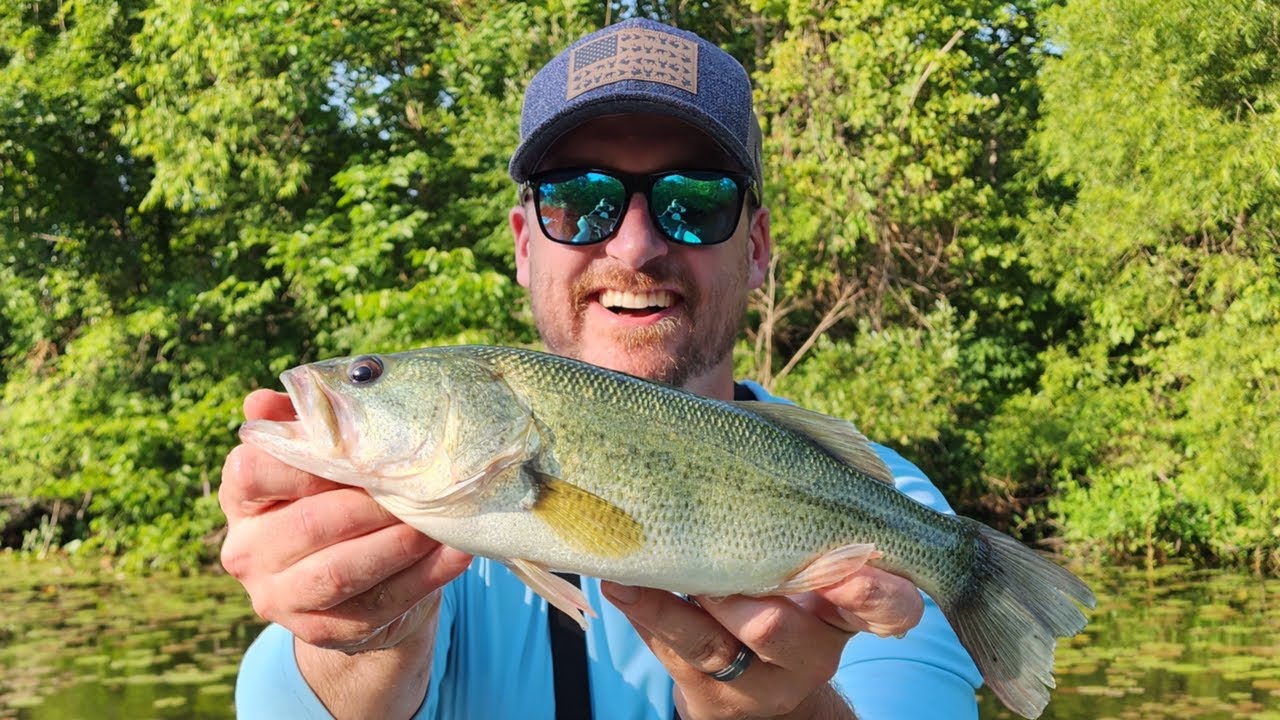
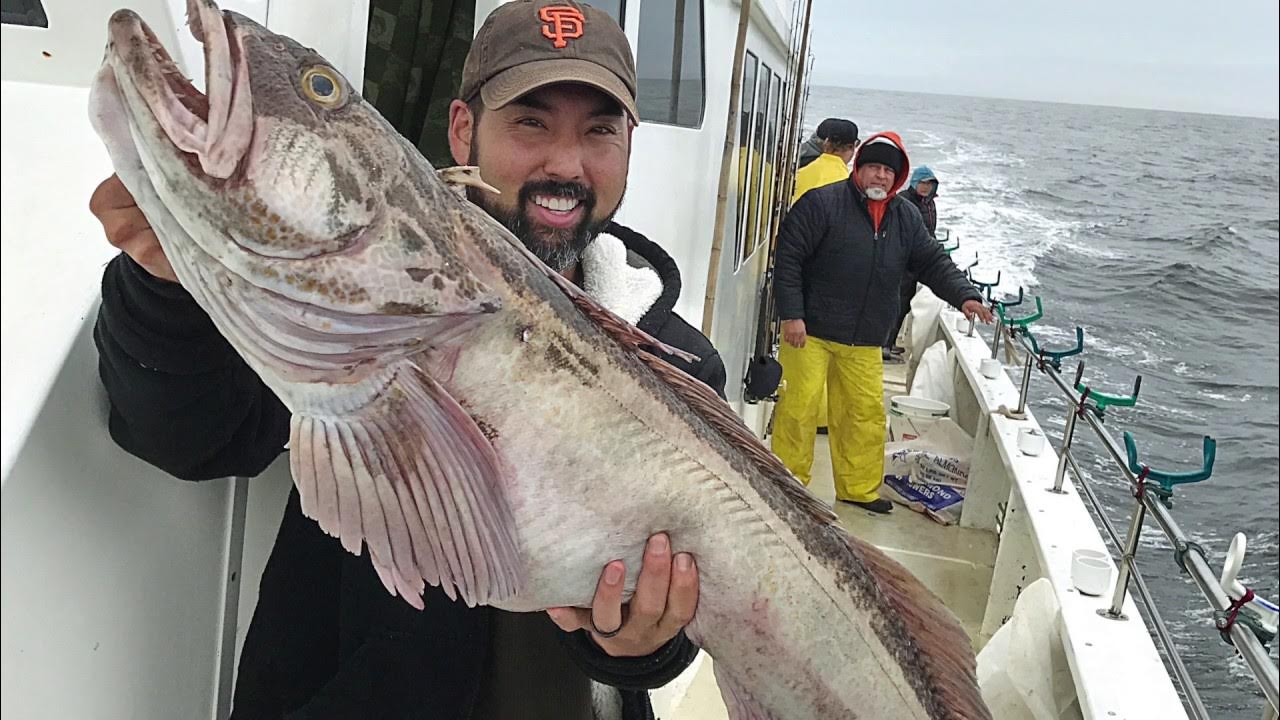
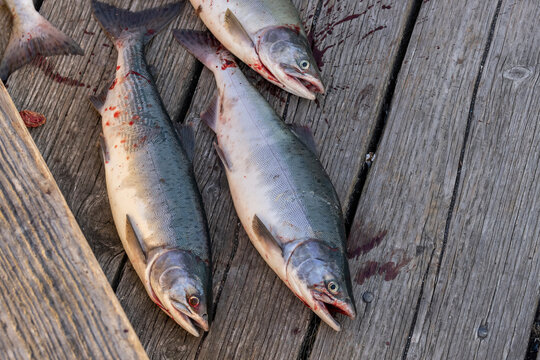
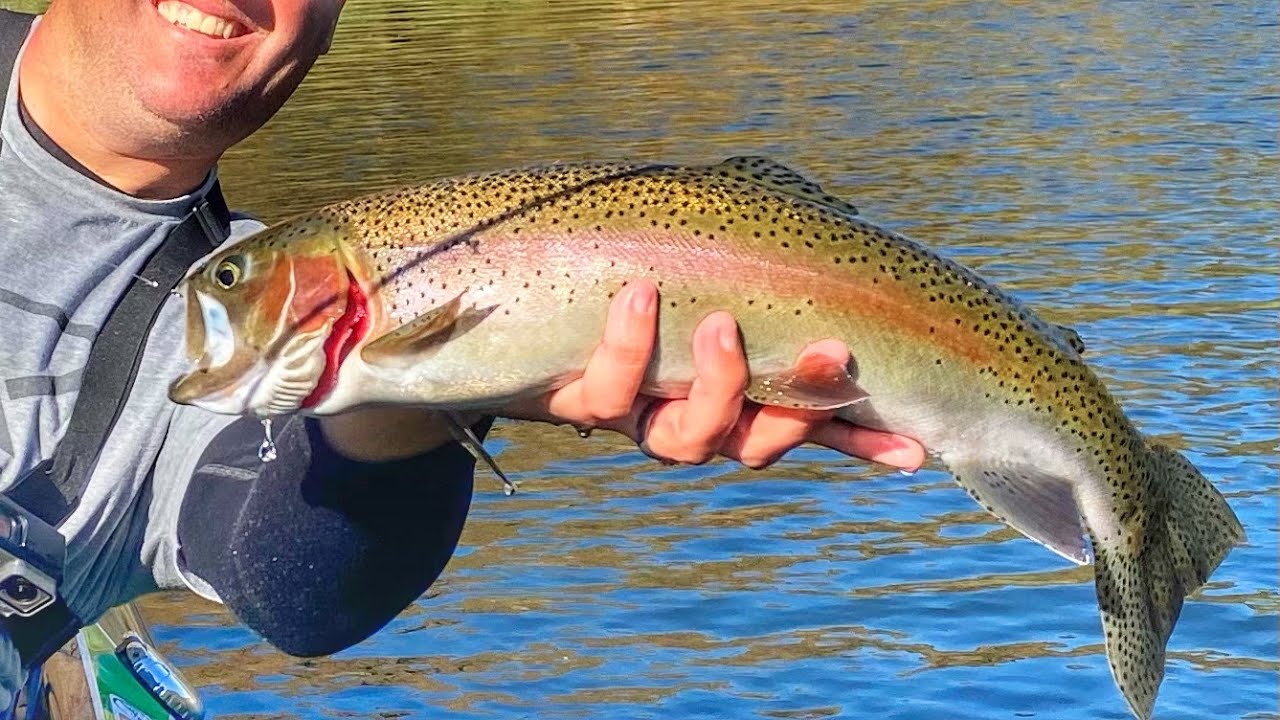
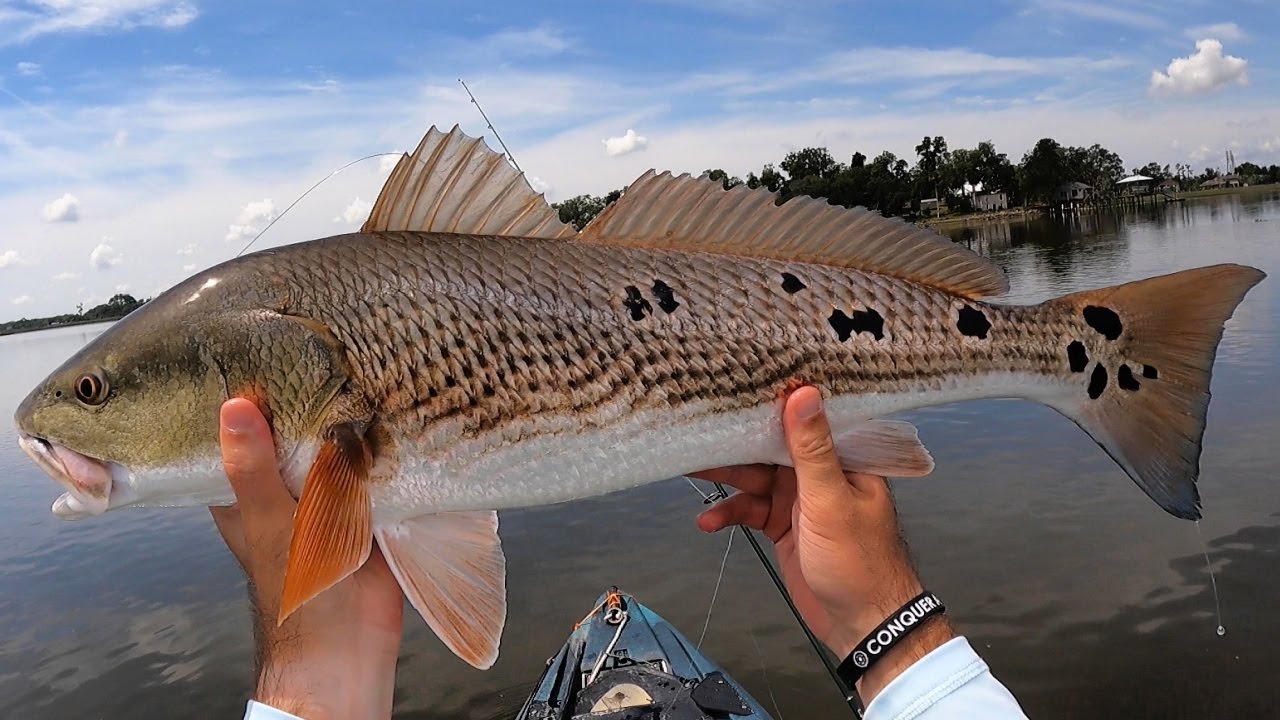
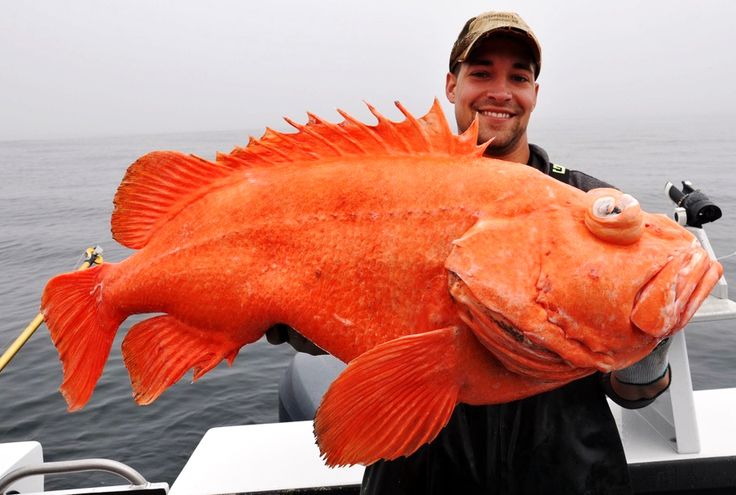
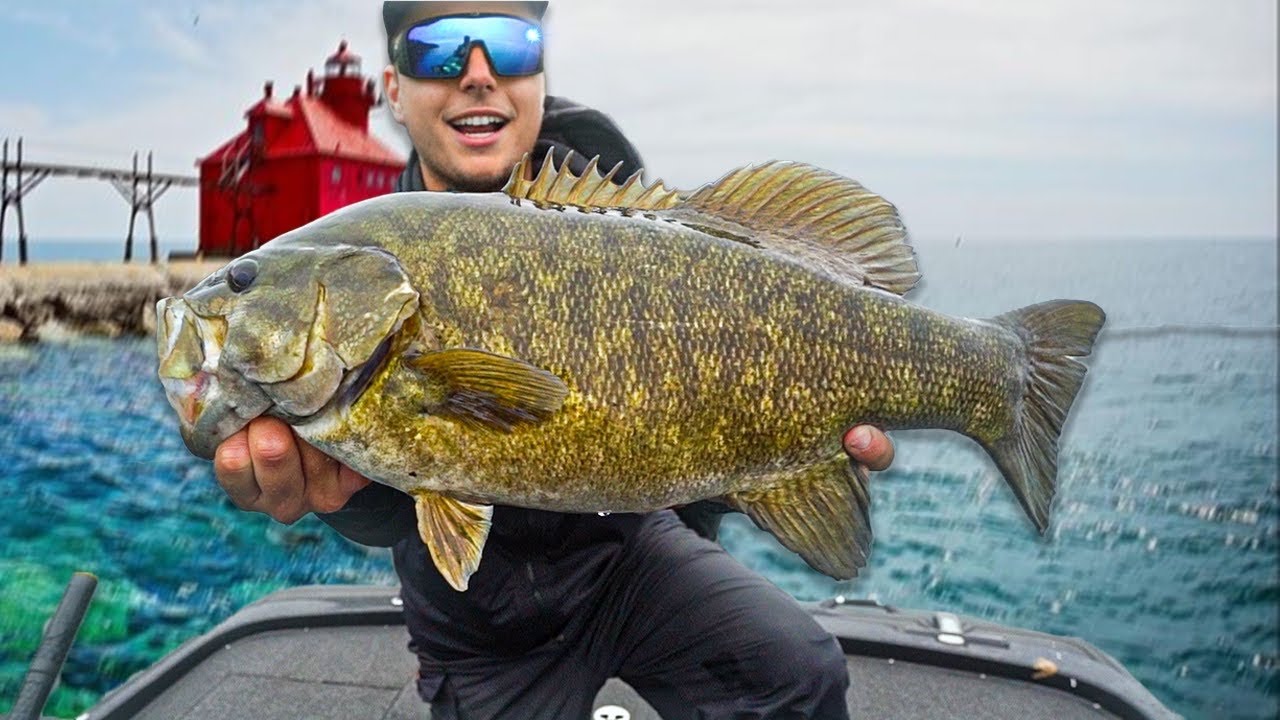
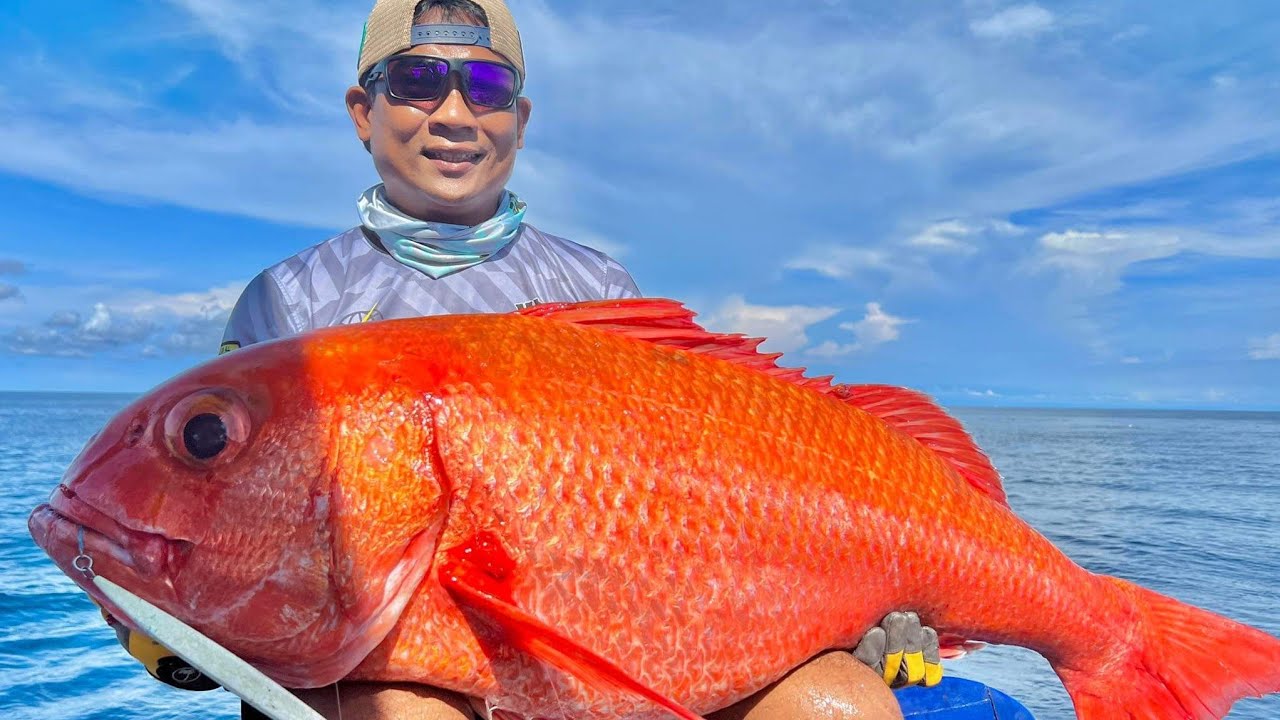
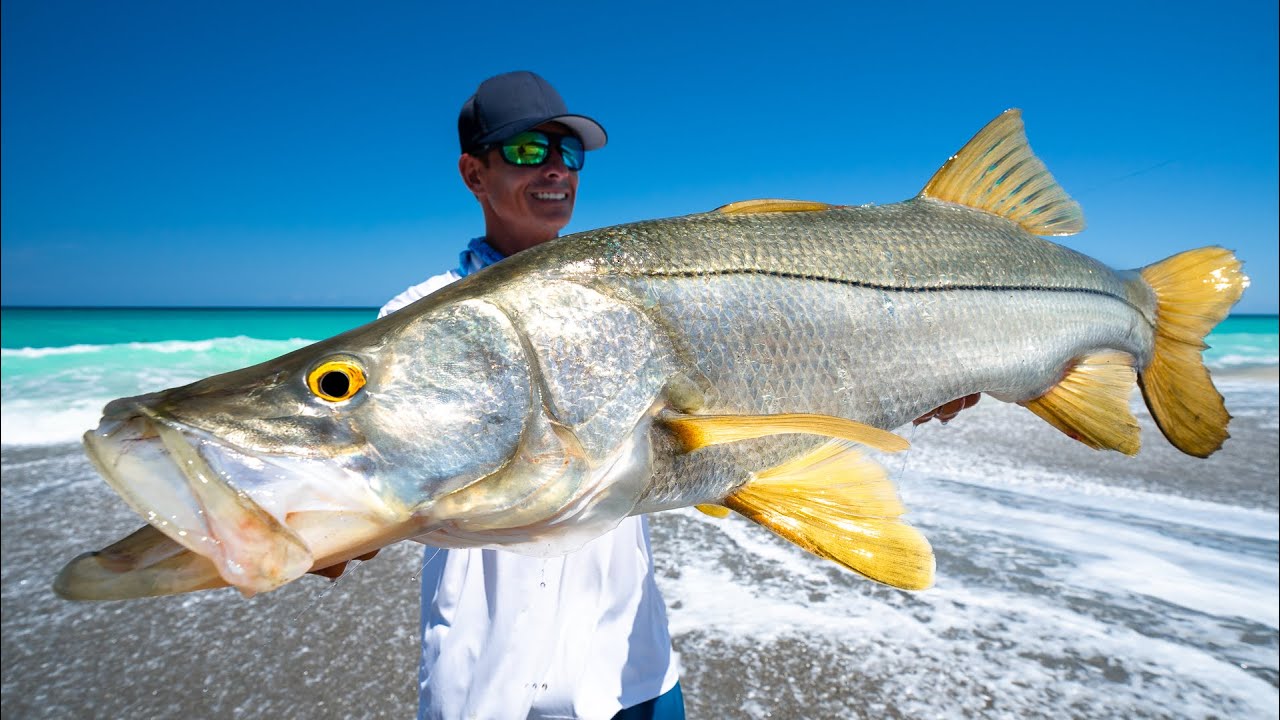
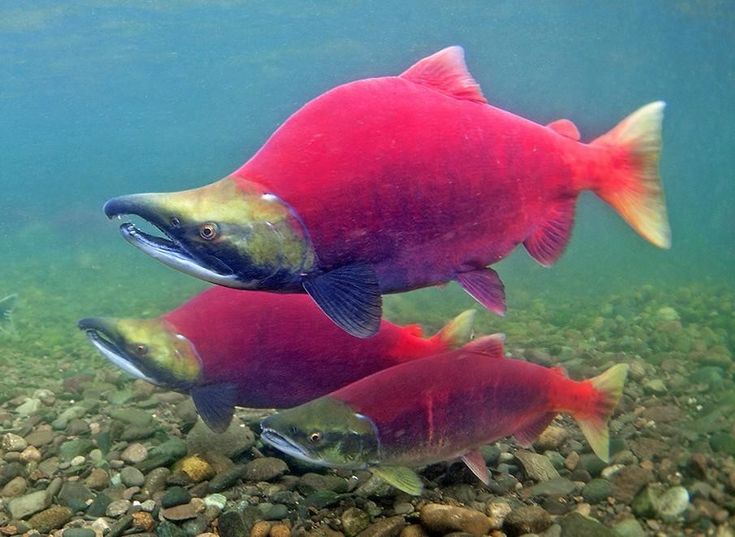
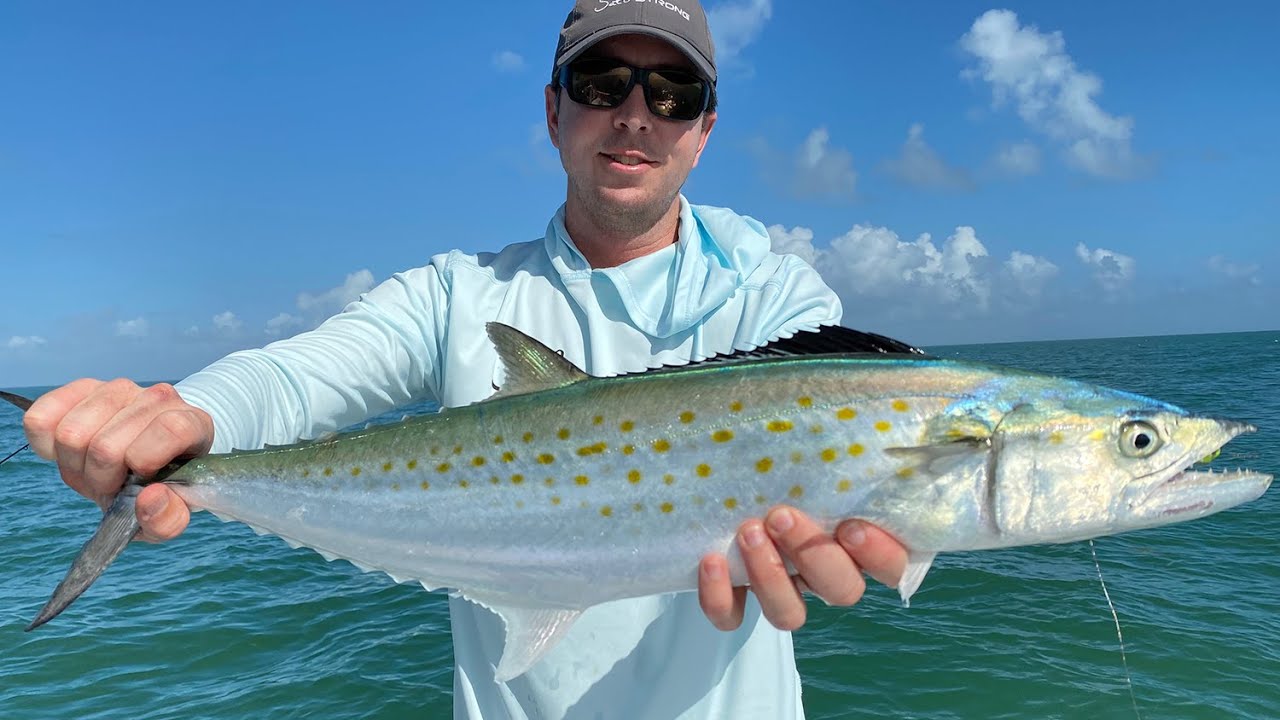
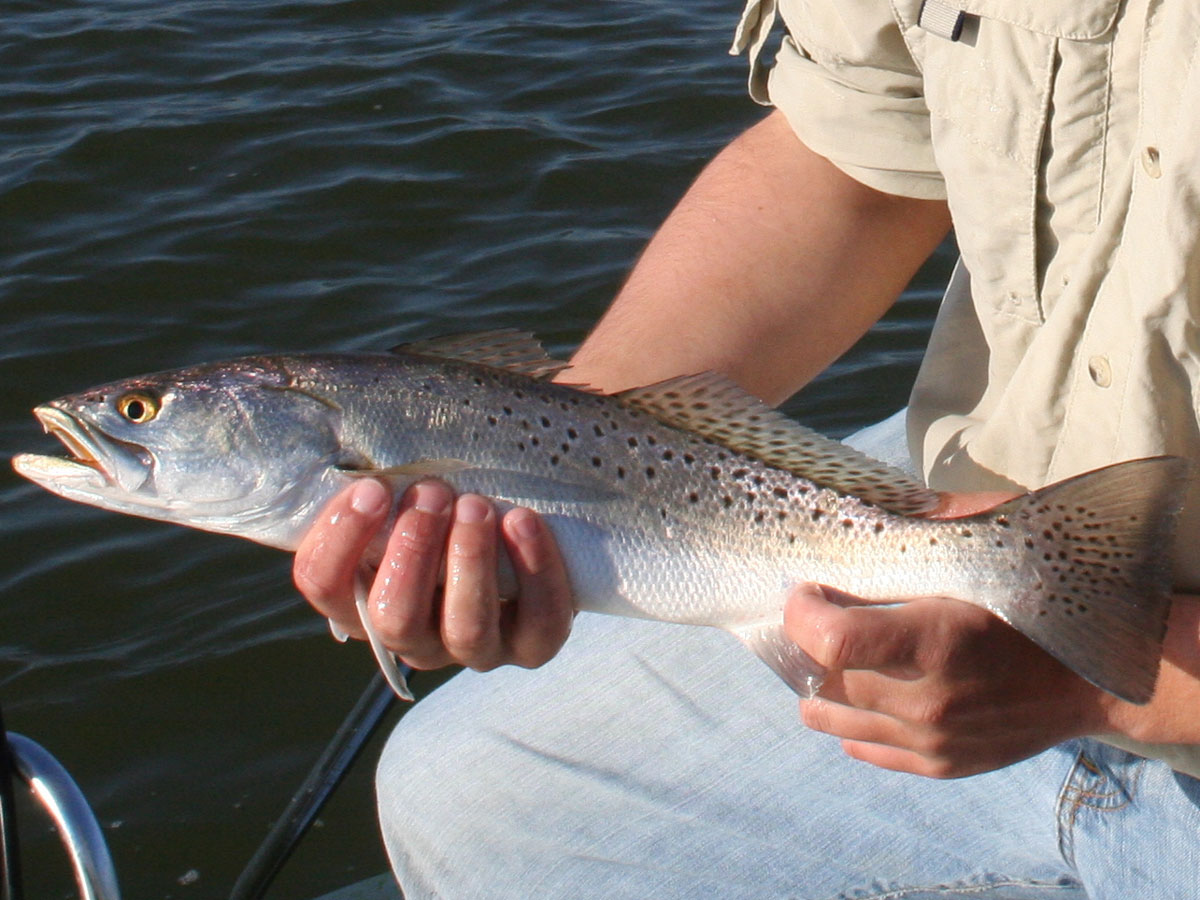
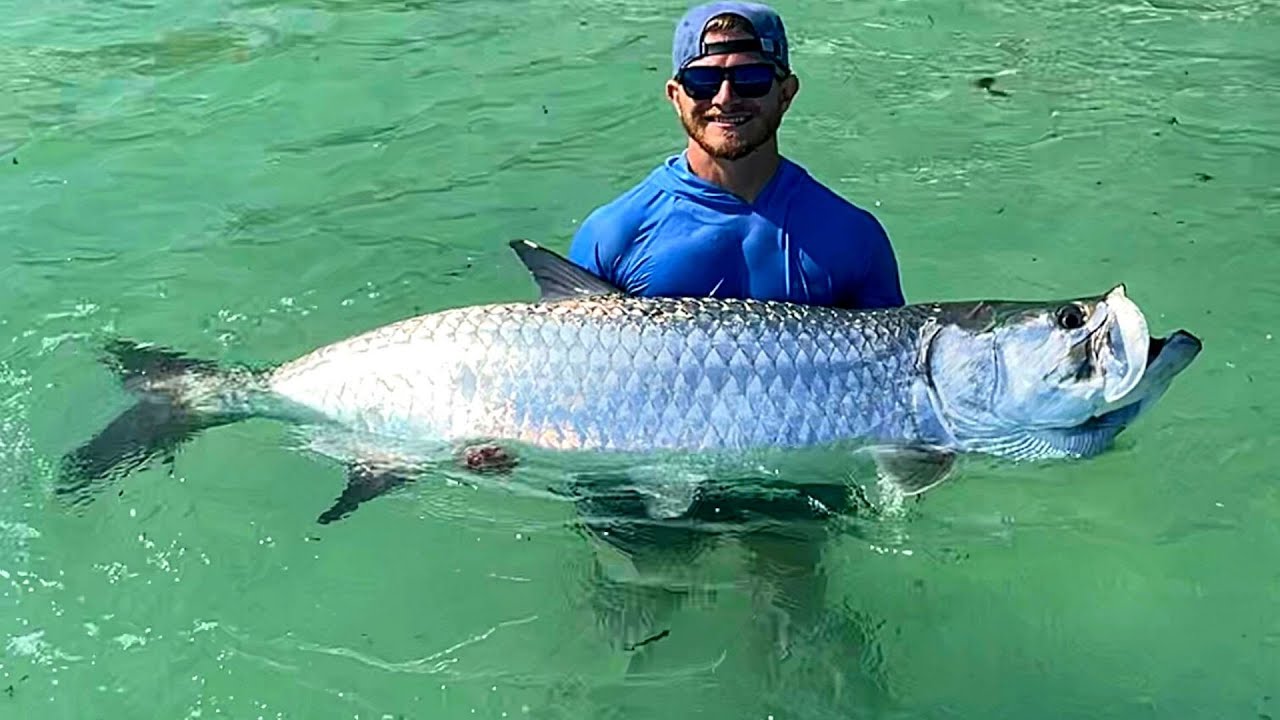
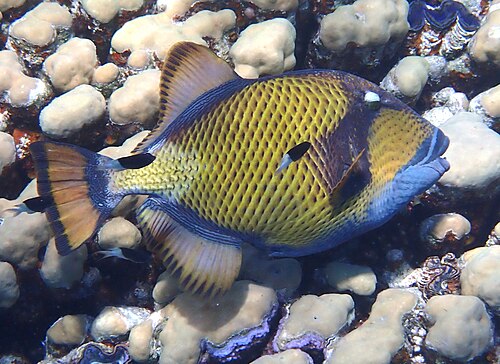
Top Fishing Types
However You Fish, We've Got You Covered
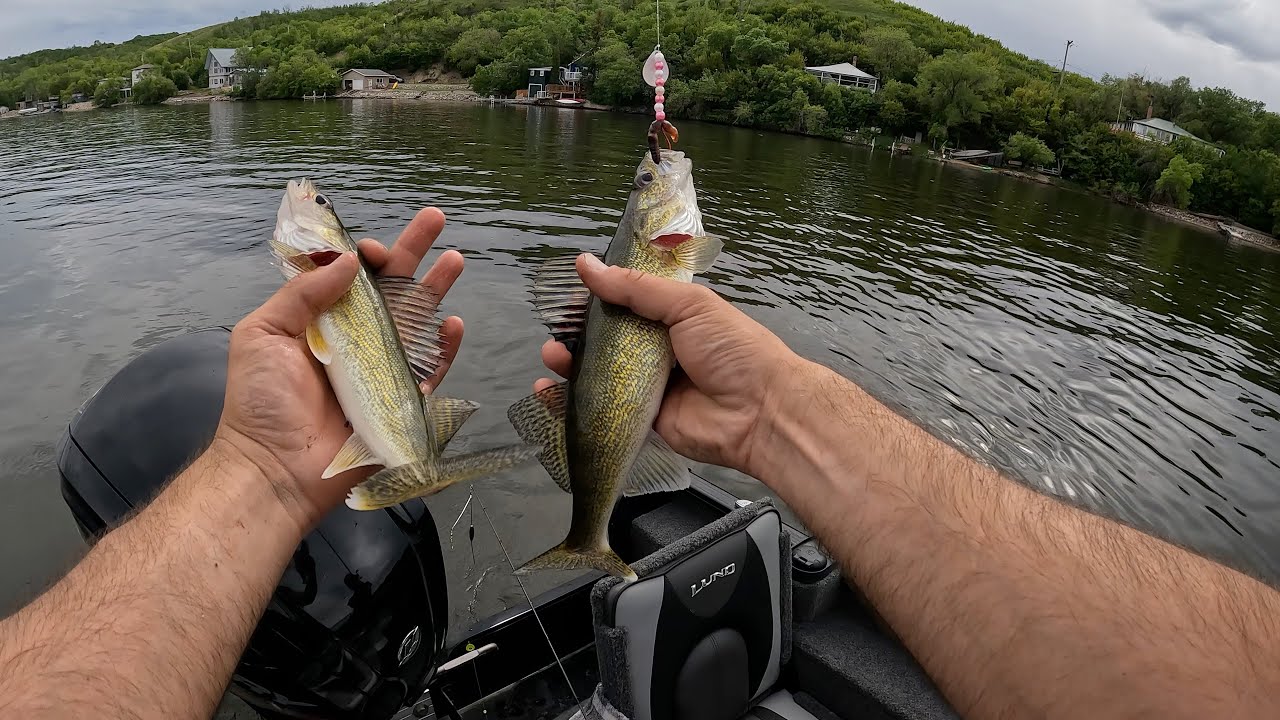
Bottom Fishing
Bottom fishing means presenting bait or lures on or near the seabed where fish feed around structure, ledges, wrecks, and hard spots. It’s a versatile style—common on reef trips, nearshore mixed-bag days, and deeper drops when you want consistent action without constantly running the boat. Success usually comes from boat control, reading sonar, choosing the right weight and leader, and recognizing bites before fish bury you in rocks. It’s approachable for beginners (clear bites, steady rhythm) but still rewarding for experienced anglers targeting specific species. A good guide handles positioning, tackle swaps, and depth changes so you spend more time in the bite zone and less time guessing where the fish moved.
Explore Trips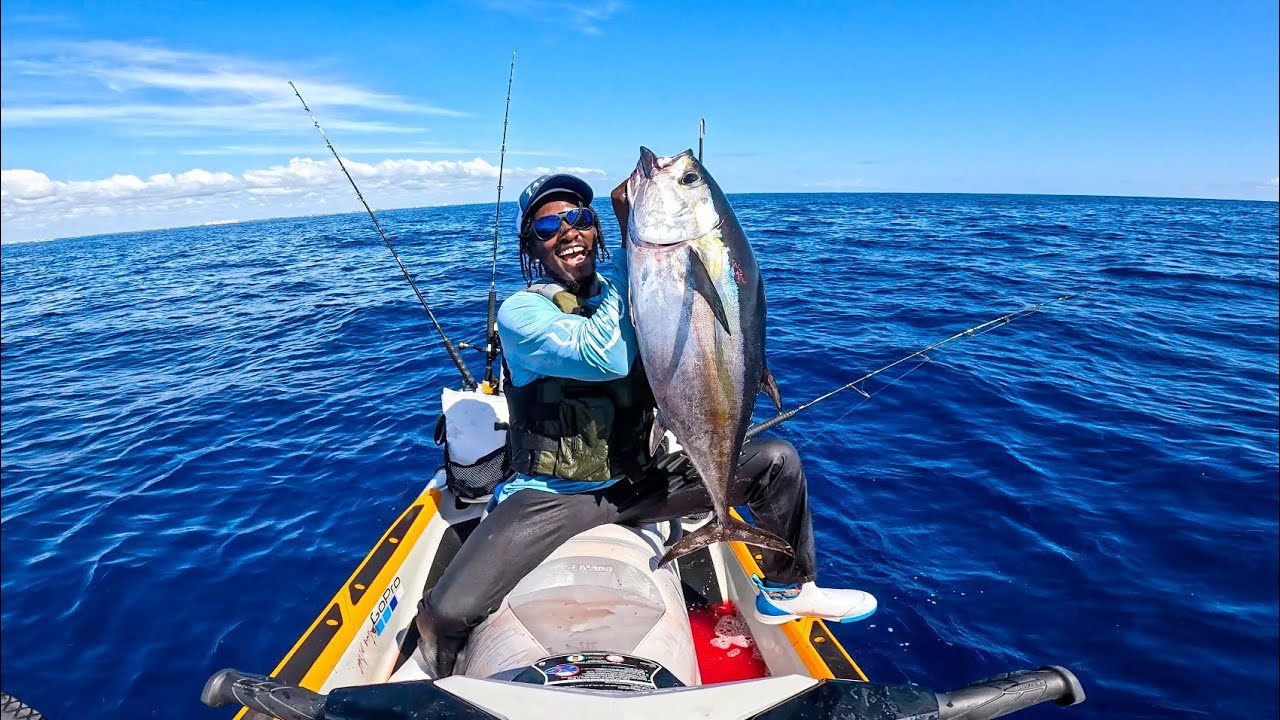
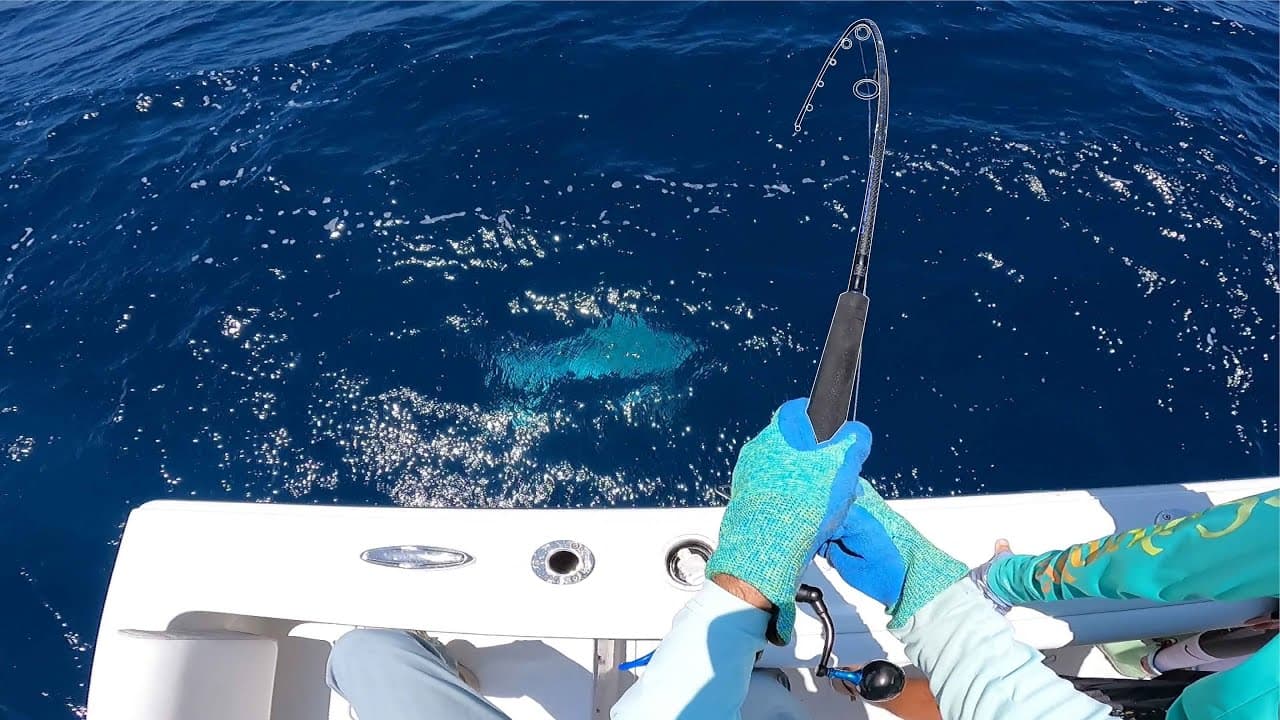
Deep Sea Fishing
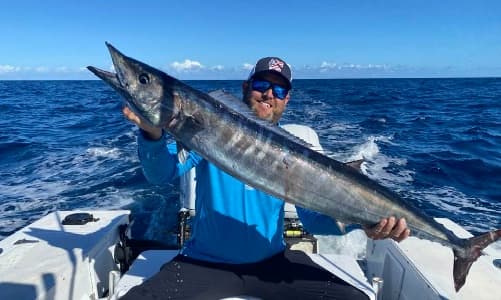
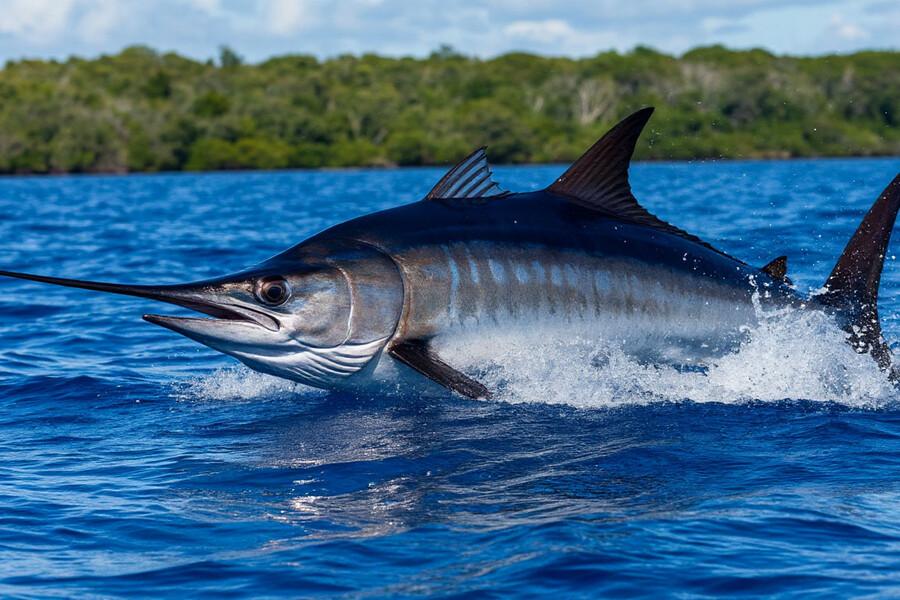
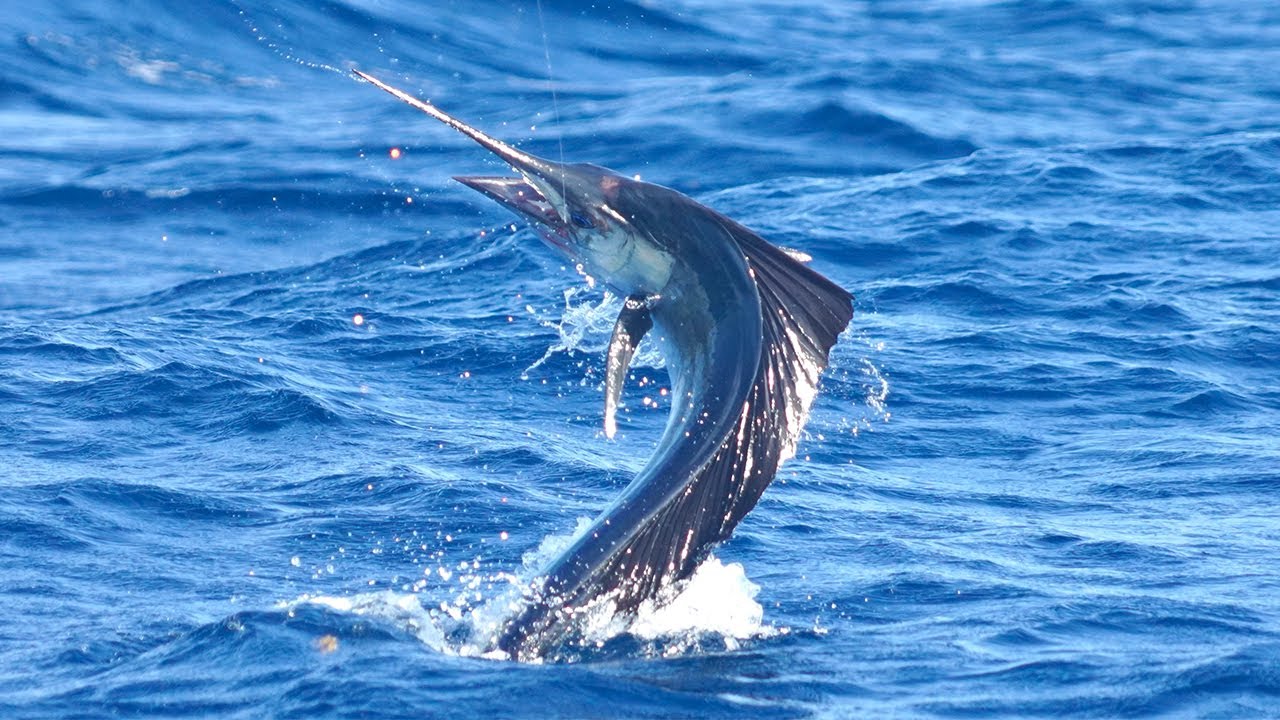
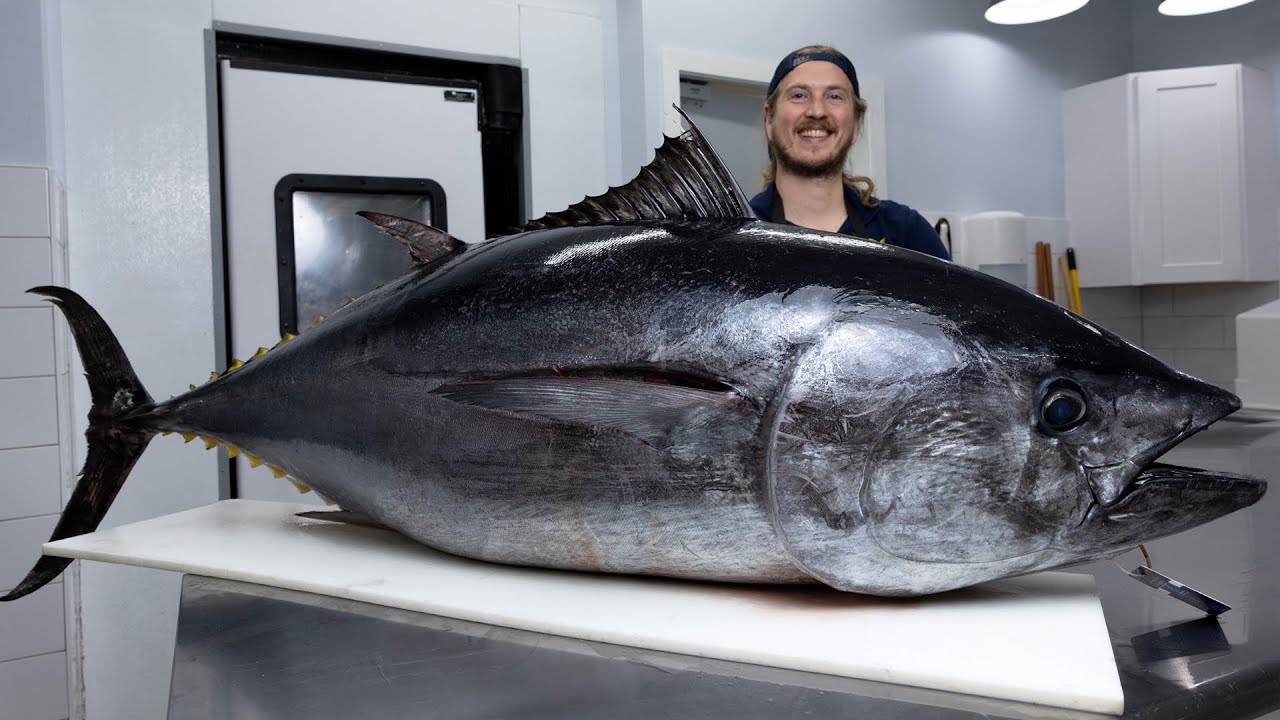
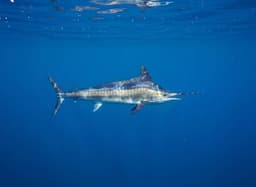
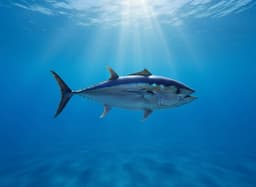
Deep Sea Fishing Deep sea fishing (offshore fishing) means running miles into the ocean to target bigger water, deeper structure, and pelagic species that rarely show up at the beach. Trips often focus on trolling, chunking, drifting, or deep dropping depending on the season, sea conditions, and what’s feeding that week—think tuna, mahi, wahoo, billfish (where legal and available), snapper/grouper on deeper spots, and other bluewater favorites. It’s more weather-dependent than inshore fishing, so flexible scheduling and a captain’s go/no-go judgment matter for comfort and safety. Gear is heavier, fights are longer, and the pace can shift from quiet trolling to controlled chaos when multiple rods go down at once. Booking an offshore charter is the simplest way to access the right boat, electronics, tackle spreads, and local intel—so you spend your trip fishing productive water instead of guessing from a map at the dock.
Explore Trips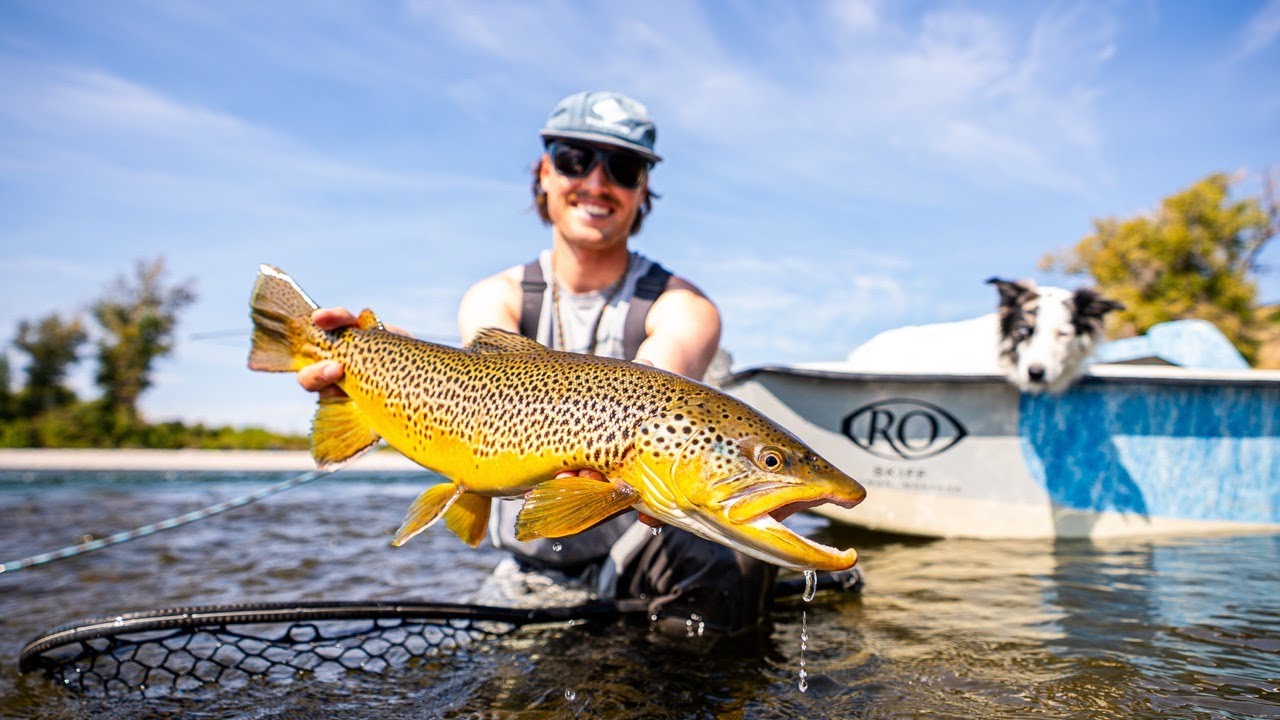
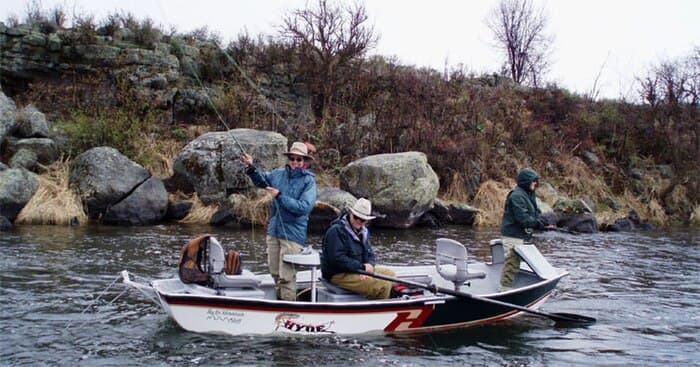
Fly Fishing
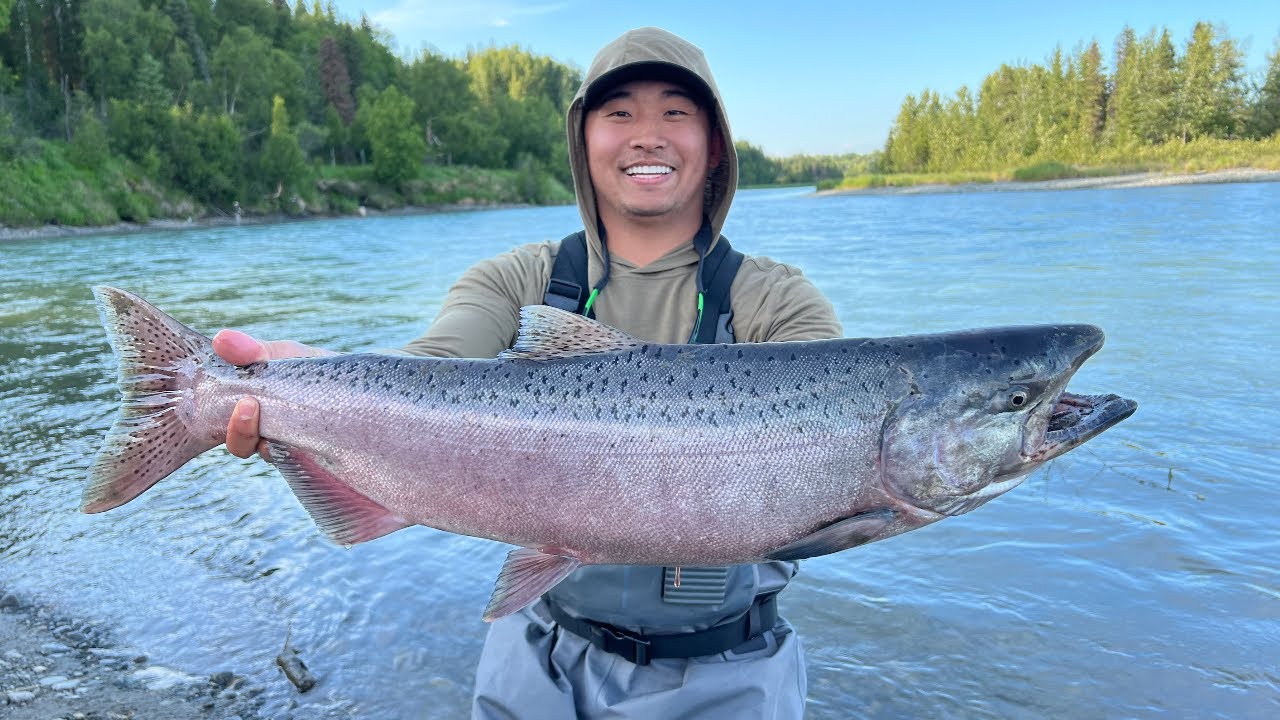
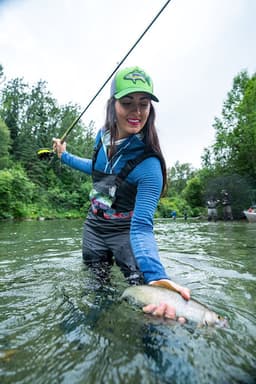
Fly fishing uses a weighted line (not a heavy lure) to deliver a lightweight fly that imitates insects, baitfish, crustaceans, or other prey—often in rivers, streams, lakes, and shallow salt flats where presentation is everything. Casts, mends, and drifts are part of the craft: you’re usually trying to look natural in moving water or spooky clear conditions where fish refuse sloppy presentations. It can be technical at first, but it’s also deeply rewarding when a fish eats on a clean drift and the hookset connects with timing instead of muscle. Saltwater and warmwater fly fishing broaden the game with bigger fish, wind, and faster strips—same principles, different tackle and targets. A guided trip is one of the fastest ways to learn rigging, reading water, and the retrieve rhythms that turn “follows” into hooked fish.
Explore Trips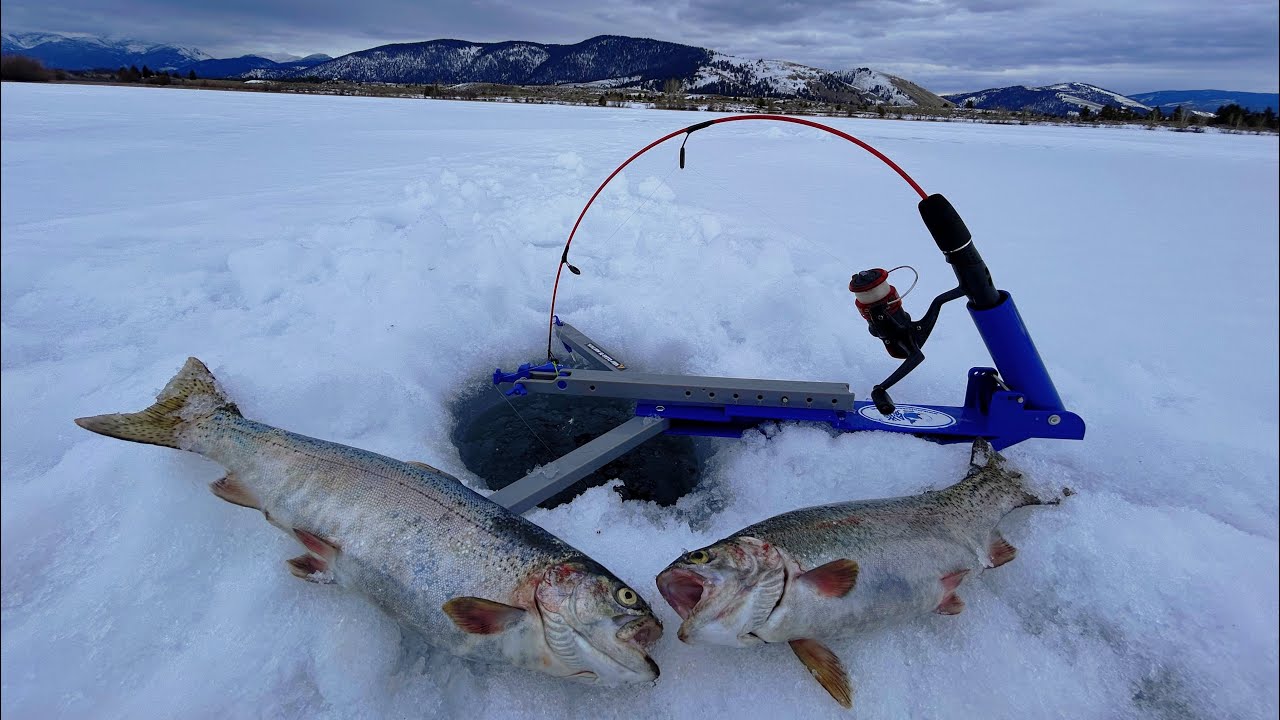
Ice Fishing
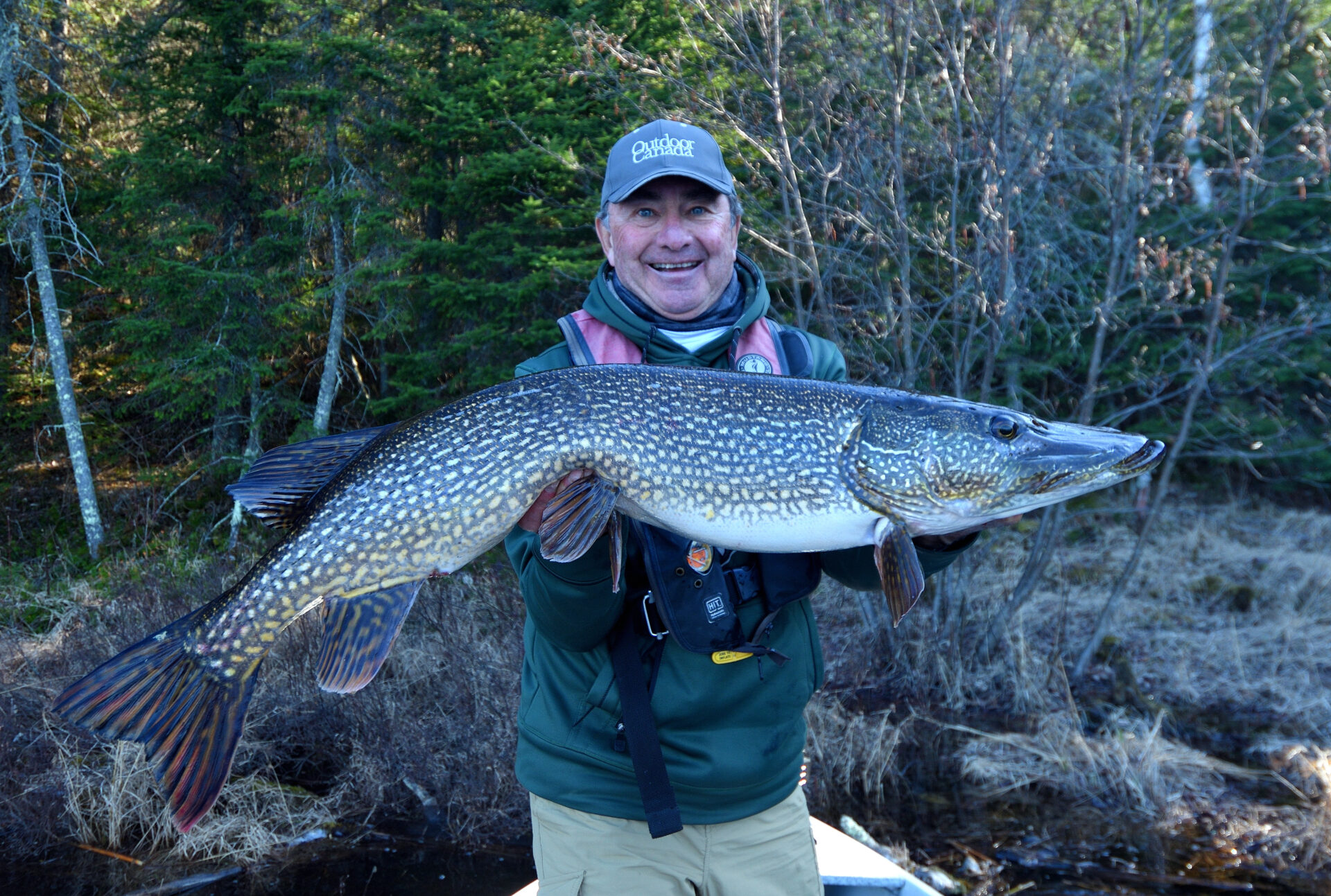
Ice fishing is winter’s answer to getting on the water—literally on top of it—by drilling holes through safe, solid ice and fishing vertically for species like perch, crappie, walleye, pike, and trout depending on the lake. Success hinges on location, timing, and reading depth and structure under the ice, often with sonar to see fish react to your lure in real time. Gear is specialized: short rods, sensitive lines, tip-ups or jigging setups, and layers of clothing (or a heated shelter) to stay comfortable when temperatures drop. Safety always comes first—ice thickness, local conditions, and local knowledge matter more than any tackle trick. Booking with an experienced ice guide speeds up the learning curve on where to drill, what to use, and how to stay warm while you wait for the first flag or rod dip of the day.
Explore Trips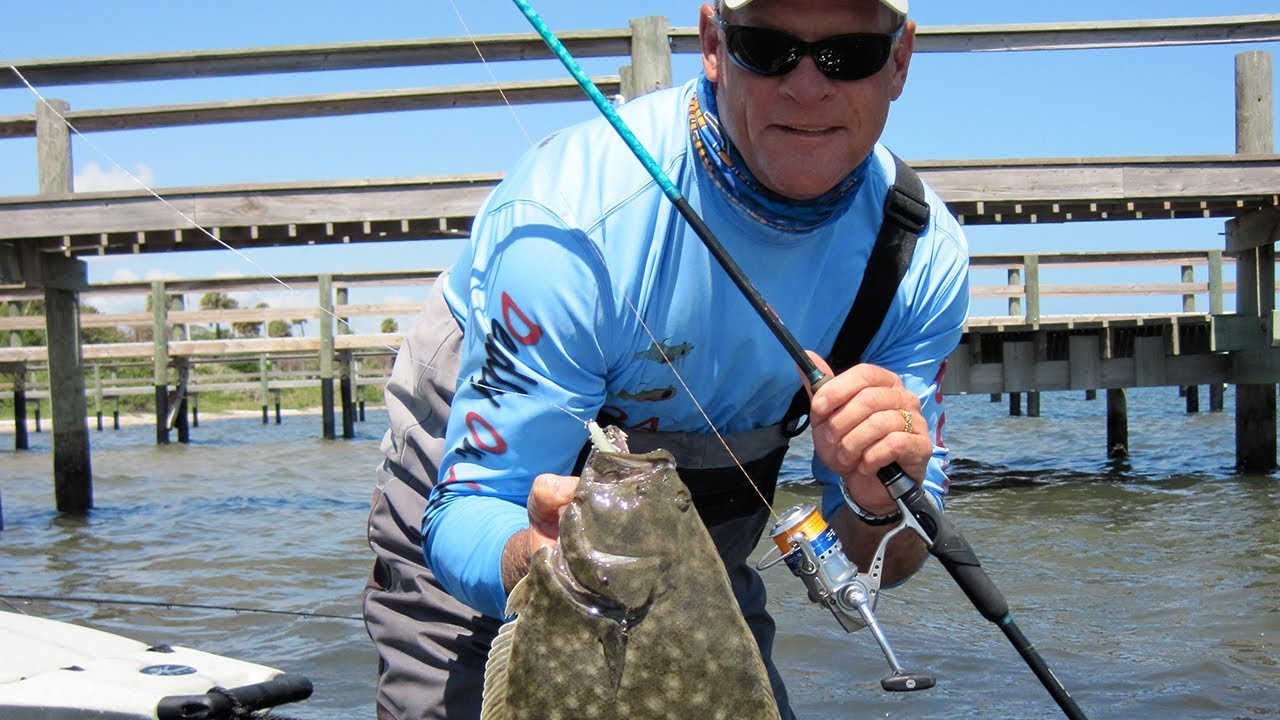
Inshore Fishing
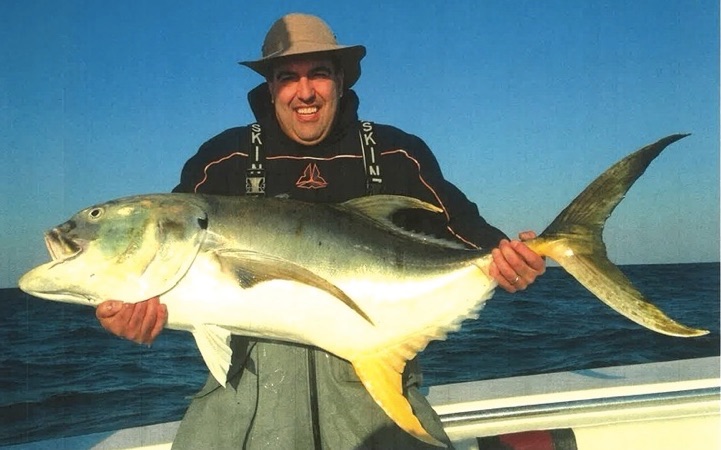
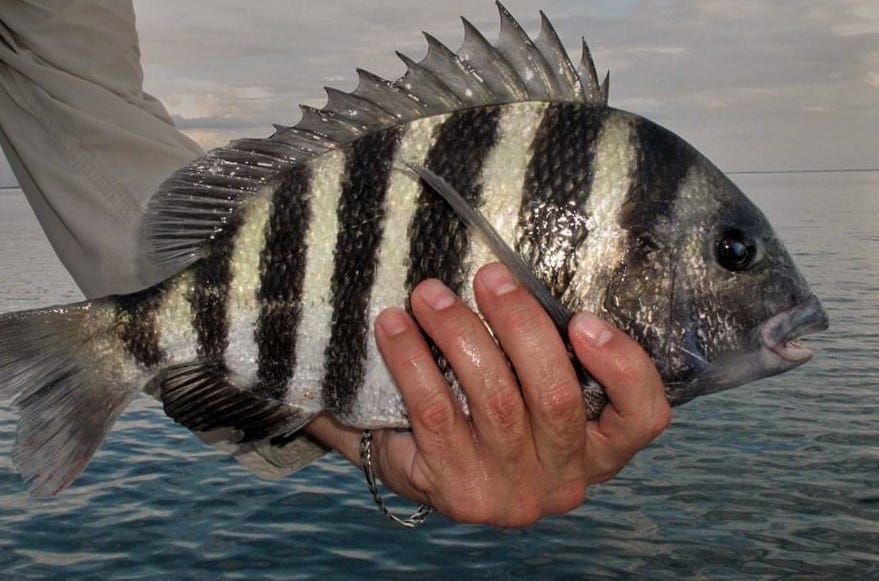
Inshore fishing keeps you close to protected bays, estuaries, flats, mangrove shorelines, jetties, and nearshore bars—usually in calmer water where the boat ride is easier and the action can still be fast. It’s the sweet spot for sight-fishing, live bait, and light-to-medium tackle targeting species like snook, redfish, trout, tarpon (season/area dependent), flounder, sheepshead, and more. Tides, wind direction, and water clarity change the playbook daily, so local knowledge often beats “fishing harder.” Trips can be great for beginners and families while still offering serious shots at big fish when conditions line up. Booking an inshore guide helps you skip the trial-and-error and spend more time in the zones where fish are actually feeding that day.
Explore Trips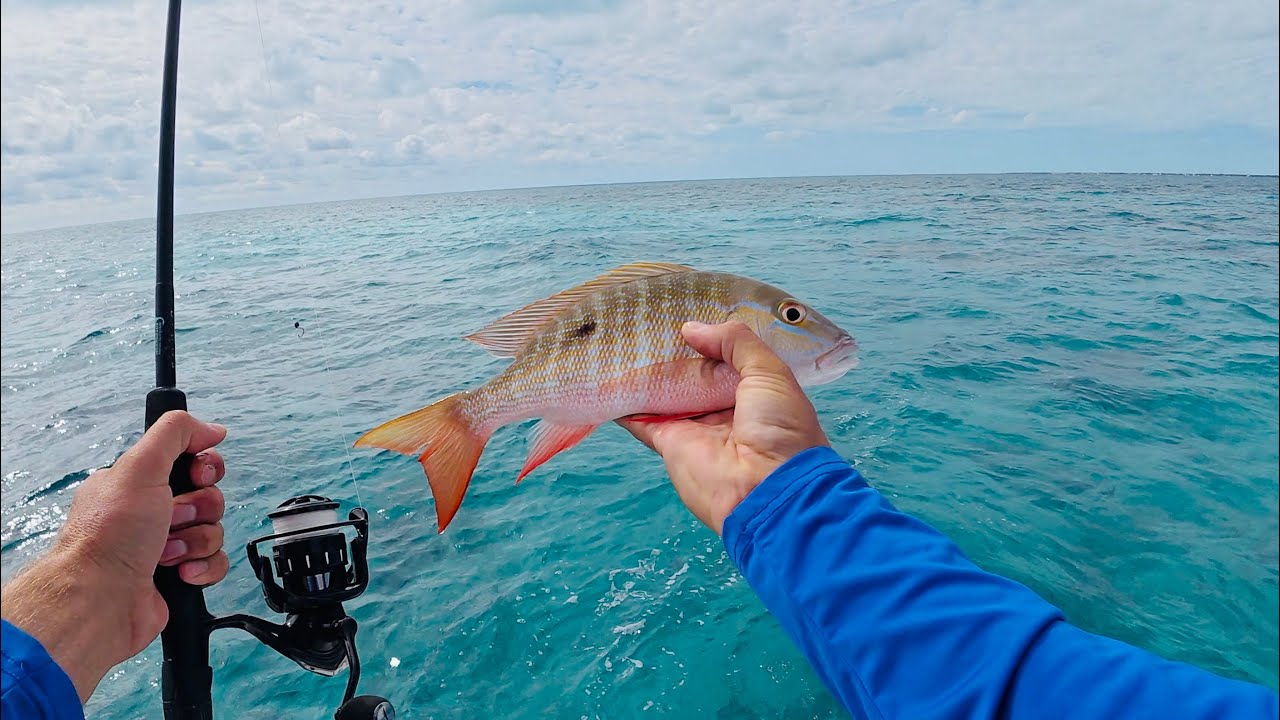
Reef Fishing
Reef Fishing Reef fishing targets the life-rich zones around coral, rock piles, ledges, and hard-bottom structure where snapper, grouper, jacks, and a long list of “reef mix” species hunt and hide. Trips often blend drifting, anchoring, or spot-locking with vertical presentations—jigs, rigs, and baits fished near the bottom where bites can be fast but fish try to dive back into cover. Current, wind, and line angle matter as much as tackle: the goal is to feel the bite quickly and keep fish moving up before they win the first ten seconds. Reef trips can range from beginner-friendly nearshore action to deeper drops where regulations, seasons, and species ID become part of the day. A knowledgeable captain helps you fish clean, stay within the rules, and spend more time on productive structure instead of searching empty bottom.
Explore Trips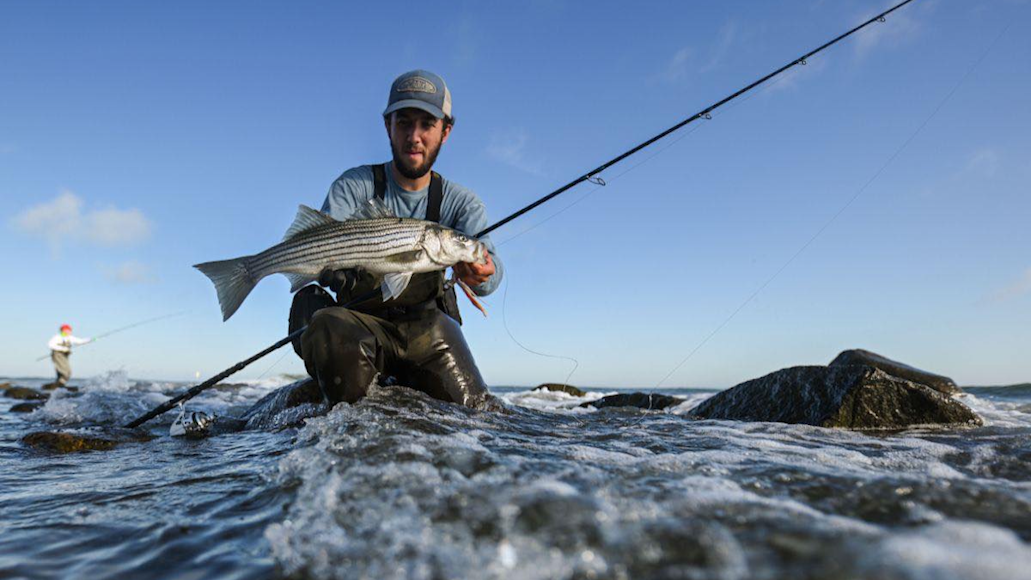
Surf Fishing
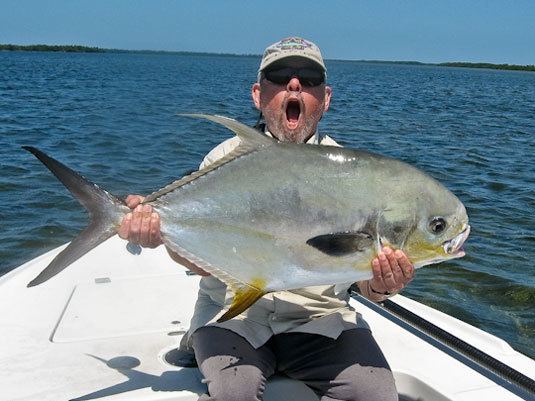
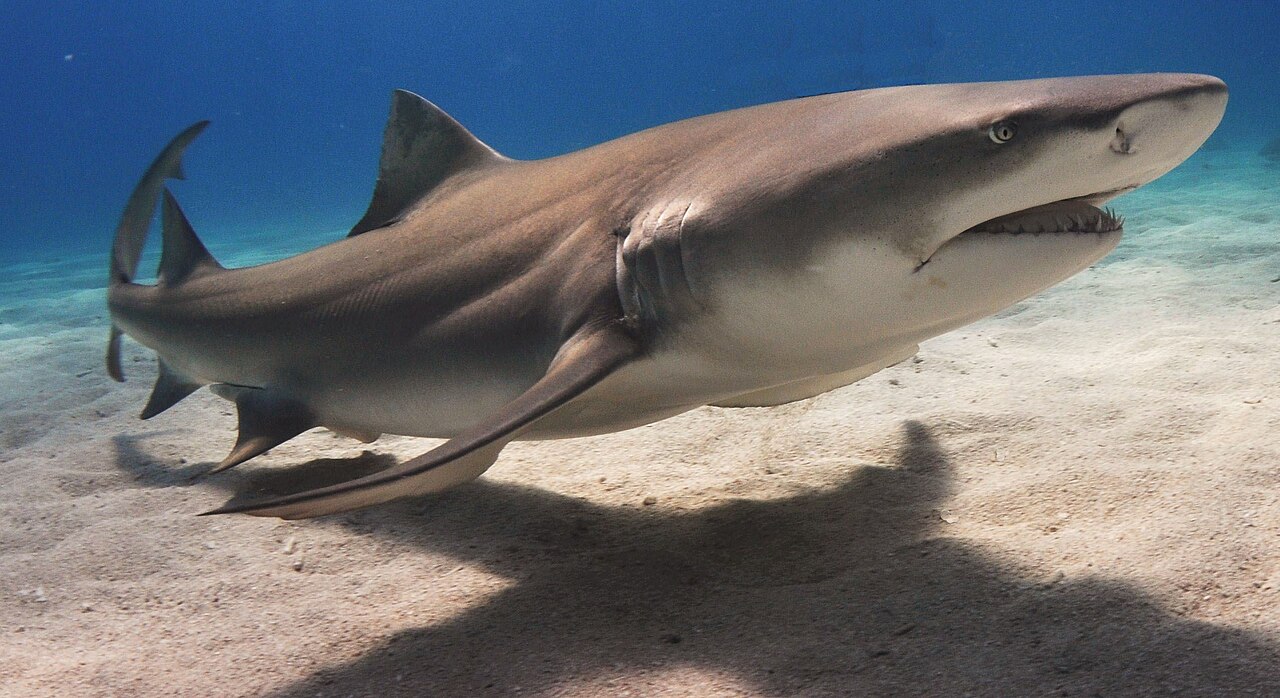
Surf Fishing Surf fishing is beach-based angling: you read tides, waves, and troughs to find where bait—and predators—move along the shoreline. Anglers wade the suds or stand on dry sand and cast cut bait, shrimp, crabs, sand fleas, or lures beyond the breakers into cuts, holes, and sandbars where fish stage to feed. It’s a mix of scouting and timing: dawn/dusk windows, rising or falling tides, and cleaner water after rough surf can all flip a slow day into action. Gear ranges from light spinning setups for whiting and pompano to heavier rods when targeting sharks, drum, or larger predators in bigger surf. A local surf guide helps you pick safe spots, rig for the species in season, and avoid the guesswork of “casting blind” on an unfamiliar beach.
Explore Trips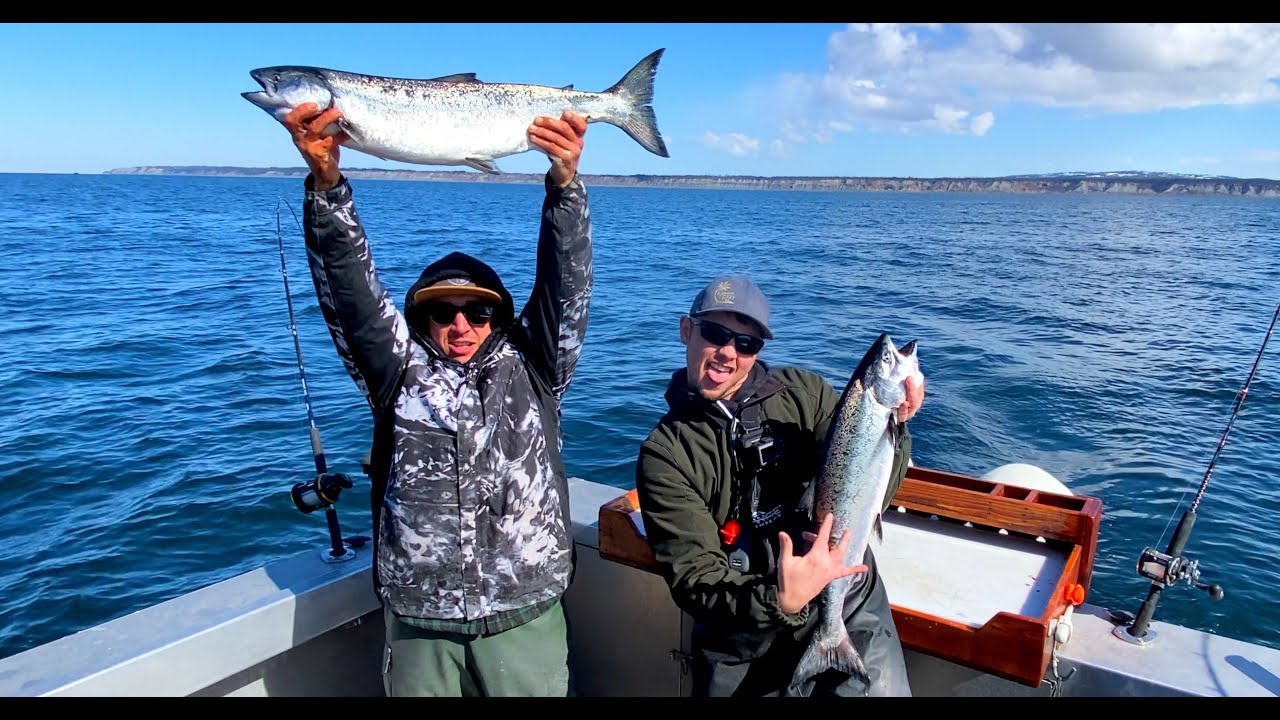
Trolling
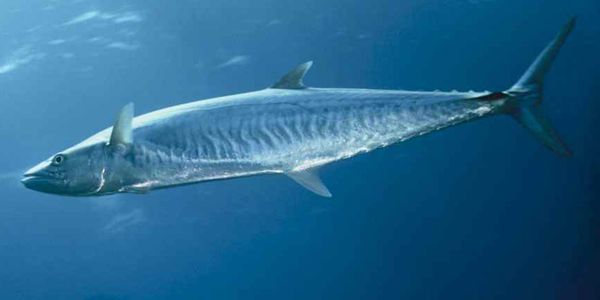
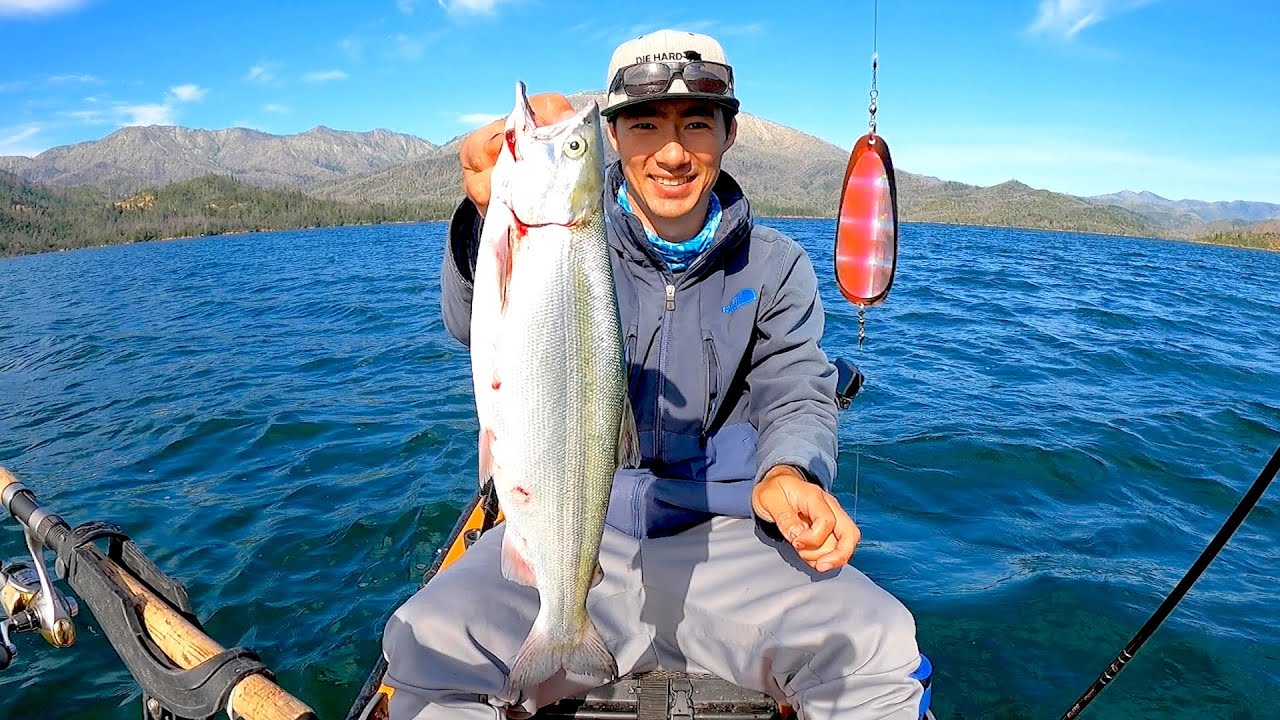
Trolling is a boat-moving technique: you pull lures or rigged baits through the water at a controlled speed to cover miles of territory and intercept roaming predators. It’s especially effective offshore and along current edges, color changes, and bait concentrations where fish travel more than they sit in one spot. Captains fine-tune speed, spread, lure depth (outriggers, planers, downriggers, or weighted lines depending on setup), and turn patterns to raise strikes when fish are picky. It’s a great option for groups because multiple lines can fish at once while everyone watches rods and learns what a bite feels like. Booking a trip labeled “trolling” usually means you’re optimizing for active fish on the move—think kingfish, mahi, tuna, wahoo, and similar species when conditions align.
Explore Trips4.9★from Thousands of Happy Anglers
Riley S
Full Day Trip on Aug 5, 2025
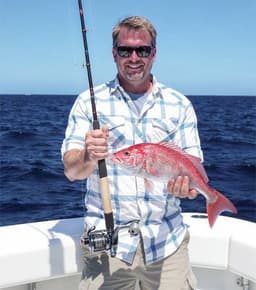
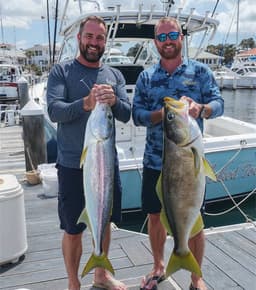
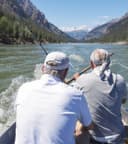
Capt Russ and 1st Mate Jeff were great, the boat is older but still solid and ran great! I read some negative reviews about both the crew and boat, but our experience was not that at all. We had a great day, great weather and caught 3 large barracuda. The sargassum Read more
Riley S
Full Day Trip on Aug 5, 2025
Capt Russ and 1st Mate Jeff were great, the boat is older but still solid and ran great! I read some negative reviews about both the crew and boat, but our experience was not that at all. We had a great day, great weather and caught 3 large barracuda. The sargassum Read more
What Sets WeBookGuides Apart
Verified Guides Only
All guides are licensed, insured, and fully vetted.
Safe & Secure Booking
Encrypted payments and guaranteed trips—book with total peace of mind.
24/7 Support
We're here anytime you need help—before, during, or after your trip.